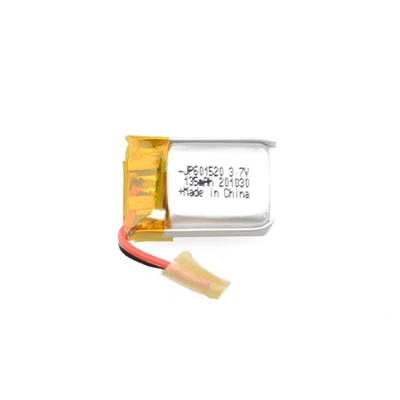


一, Safety regulations for batteriesWhen designing and installing wind Energy Storage Battery, safety is the most crucial thing to think about. The system's operational stability is directly affected by how well batteries work in harsh environments, including hot and low temperatures, overcharging and discharging, and high voltage. So, installation and use must follow the right battery safety rules, like:International standards like IEC 62619 (Safety Requirements for Battery Energy Storage Systems) and IEC 61851 (Charging Standards for Electric Vehicles) set the safety standards and testing methodologies for energy storage batteries.China's "Technical Requirements for Wind Farm Battery Energy Storage Systems" (GB/T 50052) and "Safety Requirements for Lithium Ion Battery Energy Storage Systems" (GB/T 36276) are examples of domestic standards that set strict rules for how to install, connect, insulate, and protect battery systems.
二, Battery Management System (BMS) and System IntegrationThe integration requirements for wind energy storage are just as crucial, especially when it comes to choosing and setting up battery management systems (BMS). BMS checks the voltage, temperature, charging, and discharging state of batteries to verify that they are performing safely. Wind energy storage systems usually use multiple brands and types of equipment. To make sure that devices work together and are compatible, they need to follow standard interface protocols and communication mechanisms, such as those defined by the Institute of Electrical and Electronics Engineers (IEEE) or the International Electrotechnical Commission (IEC).
三,There are standards in place to protect both the installation environment and the equipment.Energy Storage Battery batteries frequently have to be put in wind farms or wind power stations, which have strict rules about how to protect equipment.for instance, are generally in places that are far away from towns and may have to endure severe weather, strong winds, cold temperatures, and high humidity. This necessitates the extreme protection of the battery system's external components.The IEC 60529 standard says that wind energy storage systems must be at least IP54 dust and water resistant so that they can handle severe weather in wind farms. the design of battery storage systems should also take into account how easy it is to keep the equipment running over time and how to avoid battery failures caused by things like moisture, dust, sea breeze, and other environmental conditions
四,Guidelines for installation and upkeepThe installation and maintenance requirements cover things like choosing where to install batteries and energy storage systems, how to wire them, how to verify the condition of the equipment, and how to do regular maintenance to ensure that the system works well for a long time. Related standard requirements:Make sure that vibration, high winds, and other outside forces don't impact how the battery is put in.Set up the right monitoring equipment and alarm systems so that they can quickly find out about battery failures and let maintenance staff know.Please ensure that clear instructions are available for replacing, upgrading, and maintaining batteries.
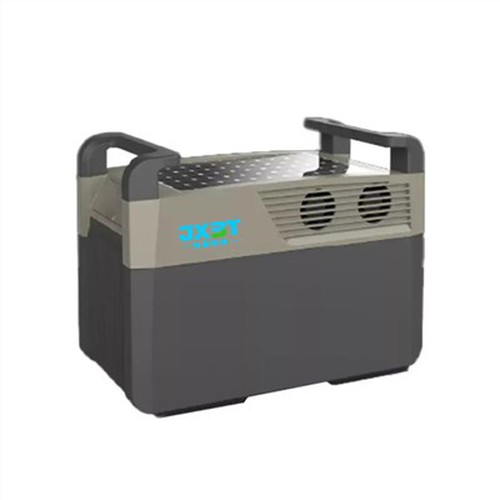
How can wind energy storage batteries solve the problem of energy storage stability under extreme wind speeds?
1. The link between the speed of the wind and the amount of power it produces
The output power of wind turbines doesn't change in a straight line with wind speed. Most of the time, there is a rated wind speed (typically 12–15 m/s). This is the speed at which the wind turbine starts to produce its rated power. To protect itself from damage, the wind turbine will automatically shut down when the wind speed goes above a specified level, such 25 m/s or higher. If the wind energy storage system can change how it stores and releases energy in real time, it can successfully balance the ups and downs of wind power at this stage.
2. The energy storage system can respond quickly.
Energy storage devices need to be able to charge and discharge quickly so they can handle sudden changes in very high wind speeds. Lithium batteries are one of the most used types of batteries for storing wind energy. They offer the benefits of fast response time and high charging and discharging efficiency, which means they can store or release energy quickly. This means that the energy storage system needs to be connected to the wind turbine's control system so that it can change the way it stores energy based on the current wind speed and power generation condition.
3. An advanced energy management system (EMS)
The Energy Management System (EMS) is an important part of wind energy storage systems. EMS keeps an eye on the wind farm's real-time wind speed, power output, and energy storage battery status and changes the energy storage system's functioning status as needed. When the wind speed is very high or very low, EMS can accurately predict how it will change and quickly turn on the energy storage system. This keeps the battery from being overcharged or overdischarged and keeps the energy storage system running smoothly.
when the wind speed is very high (above the rated wind speed), EMS will swiftly store extra energy from the wind farm in batteries by changing the pace at which the energy storage system discharges energy. This is to prepare for possible power shortages when the wind speed drops. When the wind speed is too low or the wind turbine stops working, EMS will start discharging the batteries so that the grid can have stable power.
4. A mechanism for controlling the temperature of the battery and making it work in very hot or very cold places
Extreme weather, like very hot or very cold temperatures, typically happens when the wind speed is quite high. This can make the battery less stable and less effective. The energy storage system needs to have a good way to control the temperature in order to keep the battery stable. By keeping an eye on the battery pack's temperature, you can make sure it stays within the best range for it to work, which will save it from breaking down or failing because of temperatures that are too high or too low.
very high wind speeds can cause severe winds and vibrations, which could make energy storage battery systems less stable. when designing, you need to think about how well the battery box and supporting structure can handle earthquakes and strong winds. This will make sure that the system works well even when the winds are really strong.