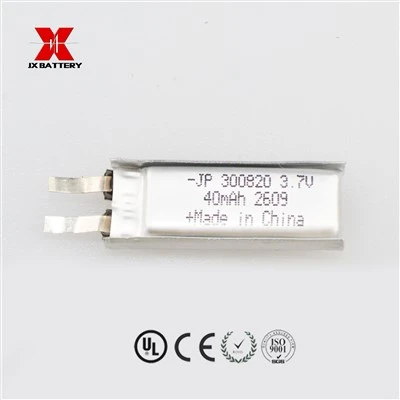


Power supply energy storage has become a hot topic in recent years due to the rapid development of renewable energy sources and the need for reliable backup power in the event of outages. Energy storage systems play a critical role in the future of energy supply and are expected to be a significant market in the coming years.
The most common types of energy storage systems include batteries, pumped hydro storage, flywheels, and compressed air storage. One of the most significant trends in recent years has been the adoption of lithium-ion batteries, which are widely used in electric vehicles and other applications. The growth of the electric vehicle market has driven down the cost of these batteries, making them increasingly affordable for energy storage applications.
Another trend that is driving the growth of energy storage is the increasing adoption of renewable energy sources such as solar and wind power. These sources of energy are intermittent, and energy storage systems can be used to smooth out fluctuations in supply and demand. As the cost of renewable energy continues to fall and their adoption increases, the need for energy storage systems will also continue to grow.
There are many potential applications for energy storage, including grid-scale storage, home energy storage, and backup power for critical infrastructure. In the near term, grid-scale storage is expected to be one of the largest markets for energy storage. These systems can be used to store excess energy during periods of low demand and release it during peak demand, helping to balance the grid and reduce the need for peaker plants.
Home energy storage systems are also becoming increasingly popular, particularly in areas with high electricity prices or unreliable power grids. These systems can be used to store excess solar power generated during the day for use at night, reducing reliance on the grid. As these systems become more affordable, we may see a significant increase in their adoption.
Finally, energy storage systems can also play a critical role in providing backup power to critical infrastructure such as hospitals, data centers, and emergency response facilities. These systems can be used to provide reliable power in the event of outages, helping to improve resilience and reduce the impact of natural disasters and other emergencies.
In conclusion, the energy storage market is poised for significant growth in the coming years, driven by the adoption of renewable energy sources, the increasing need for grid stability, and the increasingly affordable cost of energy storage systems. While there are still challenges to be addressed, such as the cost of storage and the need for improved efficiency, there is no doubt that energy storage will play a critical role in the future of our energy supply.