

The next generation intelligent optical storage system solves the main problems that people have.
1. Raise the rate of spontaneous self-use and cut down on energy waste.
If the electrical load is not high enough, the extra electricity from standard residential and commercial solar systems normally goes back to the grid throughout the day. This means that the systems do not provide much economic advantage. The system can store extra electricity in real time and release it at night or during times of high electricity use by using an innovative Solar Energy Storage System. This makes the best use of the Energy Storage System. This greatly raises the rate of spontaneous self-consumption and cuts down on energy waste.
2. Smart scheduling and making the most of electricity
The next generation of solar energy storage systems has smart energy management modules that can change how energy is stored and used based on things like electricity costs, weather forecasts, and how people use electricity. For instance, charging when energy costs are low or there is enough solar power output, and discharging at night or when electricity use is high. In this way, both home and business users can save money on their electricity bills while making full use of renewable energy. This is good for the economy and the environment.
3. Make sure the power supply is safe during power interruptions.
When the electricity goes out, traditional home and business systems generally can't keep providing power. The next generation system can immediately switch to energy storage power supply when the mains power goes out. This is possible because the Energy Storage Battery System and intelligent switching function have been improved. This makes the Energy Storage System stable and reliable for homes and important loads.
4. Make it easier to keep an eye on the system and run it more efficiently
Cloud platforms and mobile apps can keep an eye on the next generation of optical storage systems in real time. They can check things like battery health, power generation, energy storage capacity, and load conditions. Remote diagnostic and predictive maintenance can find problems before they happen, lower operating costs, and make systems last longer.
5. Design that may be changed and added to
With the growing variety of electricity needs in homes and businesses, the next generation of solar storage systems will feature a modular architecture. This will let consumers easily add more storage space to meet their electricity needs. This makes the Energy Storage Battery System and Solar Energy Storage System more flexible and able to be used in a wider range of situations, from single-family homes to small commercial buildings to microgrids.
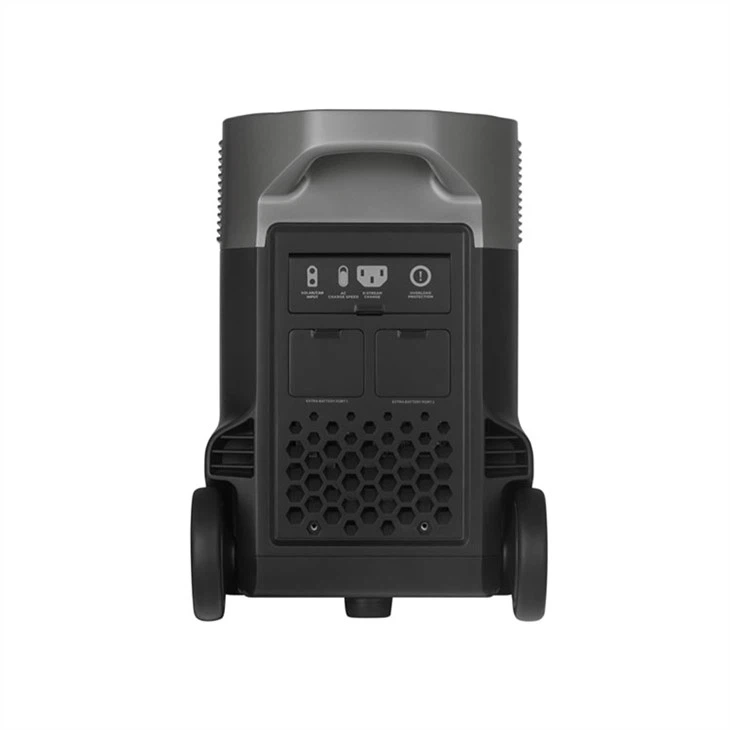
Will storing energy in homes become a global trend?
1. The shift to low-carbon development and energy transition helps make energy storage more common.
As more countries work towards carbon neutrality and legislation that support renewable energy, residential energy storage systems have become an important part of distributed energy. With the Solar Energy Storage System, homes can not only make their own solar electricity, but they can also connect to the grid and shave off peak times, which is a low-carbon, cost-effective, and safe way to manage energy.
2. Lowering costs and making technology more mature
As lithium batteries, inverters, and smart management technology get better, the price of home energy storage systems is slowly going down, and the time it takes to get back the money you put in is getting shorter. Energy Storage Systems are no longer just for a few high-end users; they are becoming a practical option for regular homes.
3. Changes in the way the world uses energy
As electric cars, electric heating systems, and smart homes become more common, the amount of electricity used in houses has gone up, and the need for energy security and flexible scheduling has grown. The home energy storage system can work with the photovoltaic system to make a complete energy loop and give reliable support for the Energy Storage Battery System.
4. Trends in the international market
In Europe, the US, Australia, and several Asian countries, storing energy in homes has become a significant part of distributed energy. In these countries, government laws, incentives, and smart energy management technology all work together to quickly make Solar Energy Storage Systems more popular. This is an important route for future energy trends.