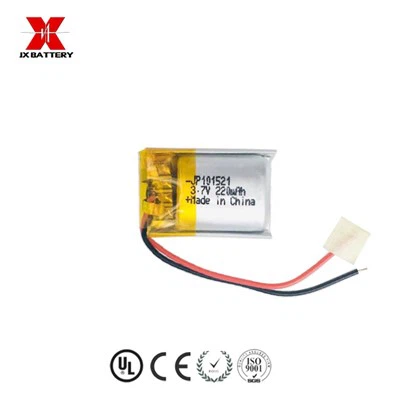


If you look at it as a short-term investment, the cost of large-capacity energy storage is higher at first. But when you think about long-term use and the benefits as a whole, household energy storage systems with bigger capacities often have lower unit power costs.
As capacity increases, the cost of storing energy per unit decreases.
The basic costs of energy storage systems include batteries, battery management systems, inverters, enclosures, and control modules. Many costs that aren't linear don't go up when capacity goes up, which lowers the average cost per kilowatt hour. That's also why the Home Backup Power System for professionals is cheaper in the long run.
Use inexpensive electricity and solar power generation to their fullest.
When electricity prices are low, big energy storage systems can store more inexpensive power and use it when prices go up. This can help you save a lot of money on your electricity bill. The more energy a solar system can store in a home, the more of that energy it uses itself. This cuts down on the waste of light and saves money on power bills over time.
Make them last longer and lose less battery cycle.
People often have to charge and discharge small energy storage systems many times a day, which puts a lot of stress on the battery. The system can hold more power, the depth of a single discharge is lower, the battery's decay rate is slower, the overall service life is longer, and the long-term costs of maintenance and replacement are lower.
Stop wasting money on backup power supplies that you don't need.
If you live in an area where the power goes out a lot or where the power use is unstable, you can set up a Home Backup Power Station with adequate capacity all at once to power vital things like lights, refrigerators, networks, and air conditioning. In the long run, this will save you money because you won't have to make as many expansions.
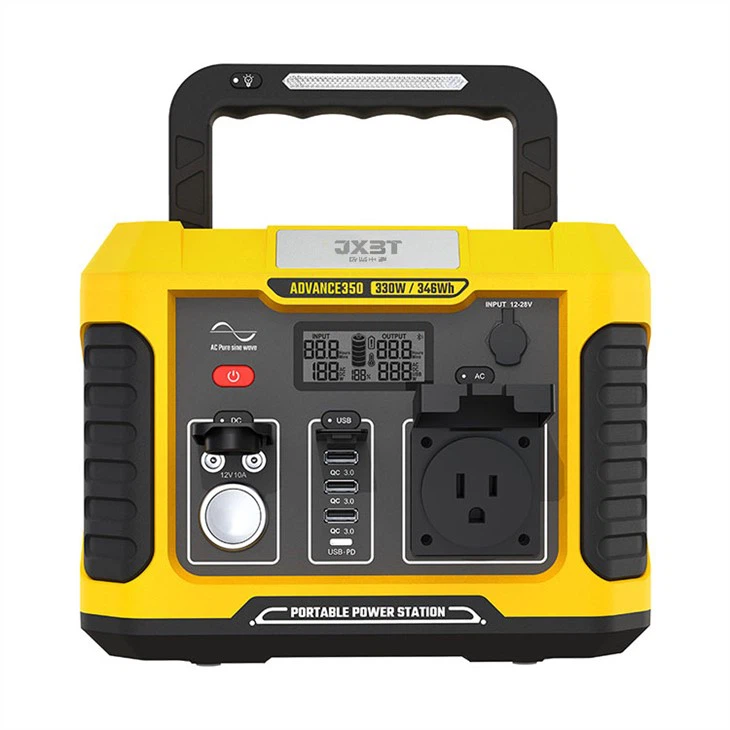
2. How may home energy storage change in 0 milliseconds?
When the electricity is off, the energy storage system keeps the home load running almost without anyone noticing. There are no problems with flashing or restarting when you use "0-millisecond switching." This is a major sign that technology for storing energy at home has come a long way.
Gadget built in for quick switching
Most high-end home energy storage systems come with high-speed static switching modules (STS) that can switch electricity in milliseconds or even microseconds. Home Backup Power is all about keeping the lights on and the wifi connected for consumers.
Design of an architecture with two power supplies
The system is always in "standby" mode because it has both mains power and energy storage inputs. When the device sees a voltage problem or a notice about a power outage, it instantly switches to battery power.
System for Smart Energy Management
The new energy storage system contains a smart control unit that can watch the battery, load, and power grid all at the same time. In predictive mode, it delivers technical support for switching in 0 milliseconds before a power failure.
Making a power supply that puts essential loads first
By putting key loads like refrigerators, lighting, security, and communication on emergency circuits, the energy storage system can have a load that is easier to handle when switching. This also helps the transition work faster and more reliably.