



What are the dangers of overcharging?
If the energy storage battery is always above the design voltage, it will speed up the aging of the electrode materials. In extreme circumstances, this might even lead to safety problems including bulging and heating. For Energy Storage Systems that need to run for a long time, charging them too often might greatly reduce the life of the batteries.
2. Overdischarging also harms how well the battery works.
Overdischarging can permanently harm the battery's internal structure, which lowers its usable capacity and raises its internal resistance. This is what causes "slow charging and fast discharging." In real life, the problem of over discharge is frequently harder to see than the problem of over charging, yet both are equally bad.
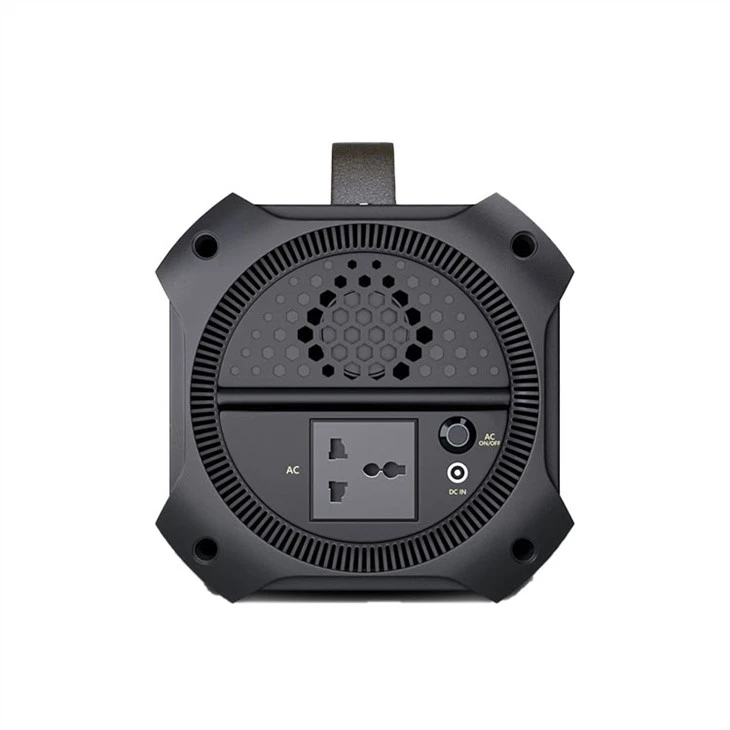
How can energy storage batteries not get too much charge or discharge?
1. Relying on exact control of the battery management system
Modern Energy Storage Systems are equipped with intelligent Battery Management Systems (BMS), which enable real-time monitoring of individual cell voltage, current, and temperature to achieve:
Automatic cut-off of charging voltage to stop overcharging
Smart limit on discharge capacity to keep from overdischarging
Immediate protection and an alarm for unusual situations
This is the core technological foundation for ensuring long-term stable output of Energy Storage Power.
2. Set the charging and discharging threshold at a reasonable level.
It is not a good idea to charge energy storage batteries all the way up to 100% or all the way down to 0% for a long period in the real world. Setting a safe working range, like between 10% and 90%, can greatly extend the life of the system and lower the hazards that come with it.
3. Work with the inverter
Most of the time, energy storage devices are connected to photovoltaic inverters and the main power grid. The system will automatically change the way it charges and discharges the battery when it gets close to the critical threshold of overcharging or overdischarging. This will keep the Energy Storage Supply in a safe and controllable state at all times.
After a power loss, can the energy storage system automatically provide power?
1. Energy storage systems that can switch automatically can do
The answer is: Yes, but the prerequisite is that the system supports automatic switching (EPS/UPS function). When the mains power is normal, the energy storage system operates in parallel with the grid; Once a power outage is detected, the system will complete the switch within milliseconds and provide Energy Storage Power directly to the load from the battery.
How automated power supply works
Power switching usually goes like this in a full Energy Storage System:
Monitoring the state of the electricity grid in real time
Signal for a power outage detected
Quickly cut off power to the grid
Start the output of the energy storage inverter
Continuously supplying a steady supply of energy storage
The whole process is practically invisible to terminal devices, making it perfect for situations where electricity needs to be on, including residences, medical equipment, communication systems, and so on.
What things affect the power supply's ability to work after a power outage?
1. The power of the load and the capacity of the battery
The longer the power supply time, the bigger the energy storage battery has to be. The shorter the battery life, the more power it can handle. So, it's important to make a reasonable estimate of how much electricity will be needed throughout the design phase.
2. How fast the system responds
A good energy storage system can switch power very quickly, so there is no need to restart equipment or lose data.
3. Strategy for protecting and keeping the system stable
A good protective mechanism can stop over-discharge during continuous discharge, making sure that Energy Storage Supply ends safely instead of with a "forced power outage."


