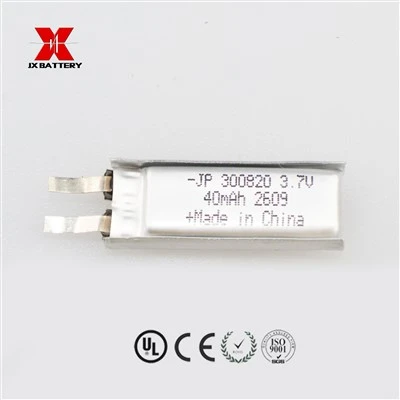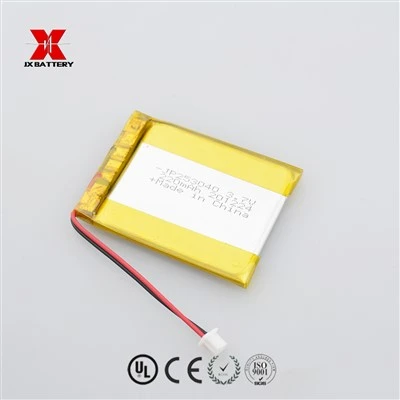


The conclusion is that long-term use doesn't always mean immediate damage, but bad storage and administration might speed up performance loss.
From a technological point of view, home energy storage usually includes an Energy Storage System, which is made up of an Energy Storage Battery Pack as its main part. The battery itself goes through subtle chemical changes even while it isn't being used.
1. Batteries will always lose power on their own.
All batteries that store energy have a self-discharge phenomena, which means that even when the system is off, the power will slowly go down. If the battery is in a "low battery" state for a long period, the inside of the battery may be permanently harmed.
2. A long-term full charge is likewise bad.
A lot of people think that "just keep it unused and then fully charge it," however charging the battery all the way up for a long time can put more stress on it and make it age faster. For the Solar Energy Storage Battery Pack, it is not good to keep the voltage high for a long time.
3. Best conditions for long-term storage
Advice for the whole industry
The battery should be between 40% and 60% full.
Check or charge every three to six months.
Make sure the storage area is dry, well-ventilated, and has a steady temperature.
Even if you don't use it for months or even a year, the Energy Storage Battery Pack can still stay healthy if you take care of it.
4. The BMS's job is to keep things safe
BMS is a frequent feature in modern energy storage systems that can protect the system when the battery level is too low or not normal. But keep in mind that BMS can't totally stop the symptoms of ageing that come from storing things wrong for a long time.
What are the newest technological advances in storing energy at home?
In the last few years, home energy storage technology has come a long way. It's not just a simple "battery+inverter" anymore; it's becoming smarter, more modular, and more integrated into systems.
1. Battery technology that is safer and lasts longer
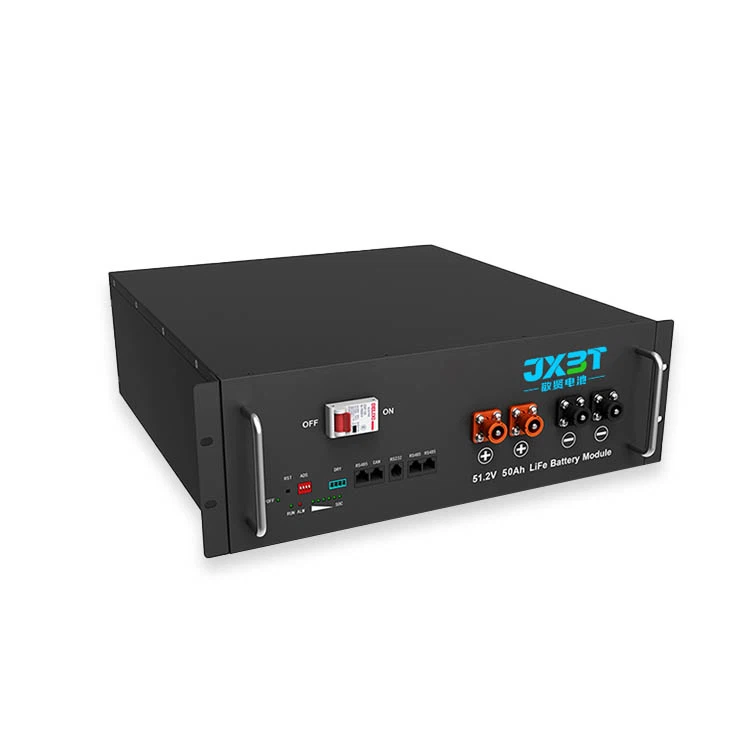
Lithium iron phosphate batteries are the new standard for storing energy in homes. They have a longer cycle life, higher thermal stability, and are safer, which means that Energy Storage Battery Packs can work safely for many years.
2. Design that can be changed and added to
The latest generation of Energy Storage Systems puts more and more emphasis on modular structure. This lets users easily add more capacity as their electricity need grows, so they don't have to make a big investment all at once.
3. An intelligent energy management system (EMS)
The system can automatically do the following things thanks to AI algorithms and massive data analysis:
Guess how power use and generation will change over time
Make the best use of charging and discharging strategies
Smartly transitioning between high and low electricity prices
This changes how your home stores energy from "passive backup" to "active energy conservation."
4. Full integration of solar panels and batteries
The modern solar energy storage battery pack is no longer only an accessory for photovoltaic systems; it is now the main part of managing all of the energy, providing "self use, surplus electricity optimisation, and emergency support."
5. Managing a cloud platform and monitoring from afar
Users can see the battery state, health, and electricity use in real time through mobile apps or cloud platforms. This lets them operate the device from a distance and get warnings when something goes wrong.
What do technology trends entail for the average family?
Because of these new technologies, residential energy storage is getting:
More durable and safer
Smarter and less worried
More value for long-term investments
The next Energy Storage System will not only be a backup power source, but it will also be the "central brain" for managing energy in the home.