
Ask ten installers where a home energy storage system should go and you'll get ten confident answers - garage, basement, laundry room, outside wall, under the stairs. The funny part is, almost none of them will mention the reason that actually decides it: temperature. The battery doesn't care about your interior design, but it cares a lot about whether it sits in a climate-controlled room or behind a sun-baked exterior wall. Get that call right and the system lives its full cycle life. Get it wrong and you'll be replacing cells years early.
Start with the chemistry, because it explains everything else about a home energy storage system. Most residential systems today use LFP - lithium iron phosphate - and LFP operates happily in a band around 10-25°C (50-77°F). Inside that band, the numbers on the datasheet - capacity, charge speed, cycle life - are real. Below freezing, charging becomes genuinely dangerous: lithium can plate on the anode instead of intercalating, which permanently reduces capacity, and that's why every serious BMS refuses to charge below about 0°C rather than risk the cell. Above about 40°C, degradation accelerates - every sustained degree of heat steals a little cycle life. So the question for any home energy storage system isn't "does it look nice here," it's "what temperature will this spot actually hold in July and January."
That's why indoor installation is the default for a home energy storage system in most homes. A basement, a laundry room, or an interior garage wall stays in the battery's happy band year-round without any extra equipment - the house itself does the thermal management for free. Indoor also means the enclosure never sees rain, snow, or direct sun, which removes a whole category of weather-related failures. And practically - you can check the display, clean the vents, hear the cooling fan - because the battery sits somewhere you walk past daily. Add in that the closer the system sits to your main panel, the shorter the DC or AC run and the lower the losses, and indoor placement often wins on both cost and reliability.
Outdoor installation for a home energy storage system isn't wrong - it's situational. The cases that push a home energy storage system outside are real: a small house with no spare interior wall, local codes that require outdoor placement, or an older panel room that's already packed. Modern outdoor-rated cabinets handle this with IP54 or IP65 enclosures, sealed cable entries, and thermal management built in. But outdoor installs trade the house's free thermal control for weather exposure, so the details matter more: mount it on the shaded side, keep it off direct sun, leave clearance for airflow, and make sure the enclosure's IP rating actually matches your climate, not just the brochure's.
Now safety, because that's the part that keeps homeowners up at night, and the honest news is good. LFP is the thermally stable chemistry - it doesn't undergo the kind of runaway reactions that older NMC cells can, which is why utilities and automakers moved to it for stationary storage. Every reputable system layers a BMS on top: overcharge, over-discharge, over-temperature, and short-circuit protection, cell by cell. What the homeowner needs to do is less dramatic: keep the unit off combustible surfaces, leave the clearance the manual specifies, don't block vents, and check whether your jurisdiction has electrical or fire codes for stationary batteries - some regions require a dedicated space or a specific separation distance. The installer should bring this up before quoting, not after.
Then there's the practical checklist that nobody reads until it's too late. Weight first: a home energy storage system cabinet with cells can land at a hundred kilos or more, so the floor or wall mount has to be rated for it, not just "probably fine." Wall-mounted units need the mounting points to hit studs or masonry. Leave the service clearance the manual demands - you will need to reach the terminals, the vents, and the shutdown switch. And think about the inverter location in the same decision: hybrid inverters make some heat and like ventilation, so putting the inverter somewhere cool matters as much as the battery.
One more thing worth planning on day one: expansion. Most stackable home energy storage systems let you add modules later, so reserve the floor space, the wall area, and the electrical capacity for an extra battery now. Adding a second module later is cheap; moving the whole system to make room for it is not.
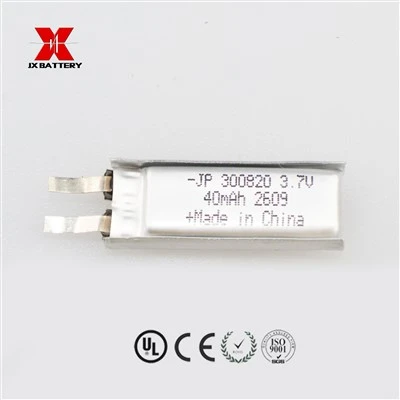
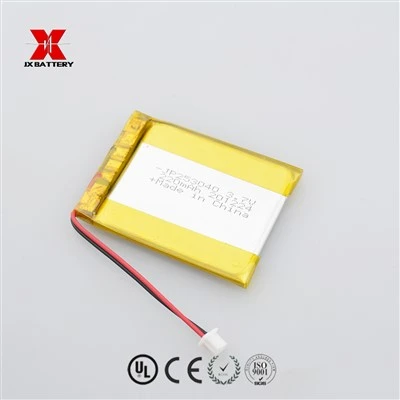
So where should your home energy storage system go? Indoors, on a cool interior wall, near the panel, with clearance and a rated floor - that's the answer for ninety percent of homes. Outdoors is the honest alternative when the house genuinely can't fit it, and a properly rated outdoor cabinet handles it. If you're buying from a manufacturer rather than assembling it yourself, ask what temperature range their BMS is tuned for and what IP rating their enclosure carries - that tells you instantly whether they expect it indoors or out. JXBT, for example, has spent over a decade building lithium battery packs in Shenzhen for household, industrial, and commercial storage, with LFP chemistry, built-in BMS, and OEM/ODM service for brands that need the battery matched to their own enclosure and install plan.
The cheapest thing you can do for any battery is give it a boring, stable, cool spot. The most expensive mistake is wedging it into the hottest or coldest corner of the house because it was convenient. Choose the location like you're choosing the chemistry - because for a home energy storage system, the wall it hangs on is part of the battery.