
Hey there, e-bike enthusiasts and fellow riders! As a supplier of Ebike batteries, I often get asked about the nitty - gritty details of battery performance. One of the most commonly misunderstood aspects is the depth of discharge (DoD) of an e - bike battery. So, let's dive right in and figure out what DoD really means and why it matters.
What is Depth of Discharge?
In simple terms, the depth of discharge is the percentage of a battery's capacity that has been used. For example, if your Ebike 48v Battery has a total capacity of 10 amp - hours (Ah) and you've used 5 Ah, then you've discharged the battery to 50%. That's the depth of discharge.
DoD is measured as a percentage, ranging from 0% (fully charged) to 100% (completely discharged). You might think that running your battery all the way to 100% DoD is no big deal, but that's actually not the case. In fact, it can have a huge impact on your battery's lifespan.
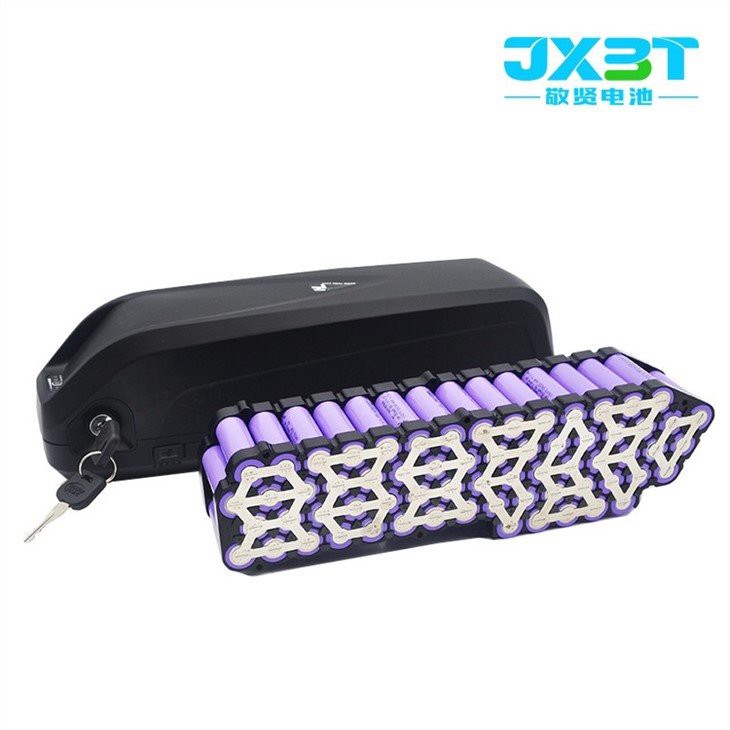
The Impact of Depth of Discharge on Battery Lifespan
Every battery has a finite number of charge - discharge cycles. A charge - discharge cycle occurs when you charge a battery from a certain state of charge to full and then discharge it to a specific level. The number of cycles a battery can handle largely depends on the depth of discharge.
- Shallow Discharges: When you keep the DoD relatively low, say between 20% and 40%, the battery can endure a significantly higher number of charge - discharge cycles. For instance, a Lithium Battery for Ebike might be able to go through 2000+ cycles at a 20% DoD. This means the battery will last longer, saving you money in the long run.
- Deep Discharges: On the other hand, if you frequently drain your battery to high depths of discharge, like 80% or more, the number of charge - discharge cycles will drop dramatically. At an 80% DoD, the same battery might only manage 500 - 1000 cycles. This is because deep discharges put more stress on the battery's internal components, causing them to degrade faster.
Why Does High DoD Shorten Battery Life?
There are a few reasons why high depths of discharge are bad news for your e - bike battery.
- Chemical Reactions: Inside a battery, there are chemical reactions happening during charging and discharging. When you discharge the battery deeply, these reactions can become more extreme, leading to the formation of unwanted substances on the battery electrodes. Over time, these substances can reduce the battery's capacity and performance.
- Mechanical Stress: As the battery discharges, its internal structure changes. Deep discharges can cause more significant changes, which put mechanical stress on the battery cells. This stress can lead to physical damage, such as cracking or warping of the electrodes, further reducing the battery's lifespan.
How to Manage Depth of Discharge
As an e - bike rider and a battery supplier, I know that managing DoD is crucial for getting the most out of your battery. Here are some tips:
- Charge Regularly: Don't wait until your battery is almost dead to charge it. Try to keep the DoD between 20% and 80%. If you're using your e - bike daily, it's a good idea to charge it every night, even if it's not completely drained.
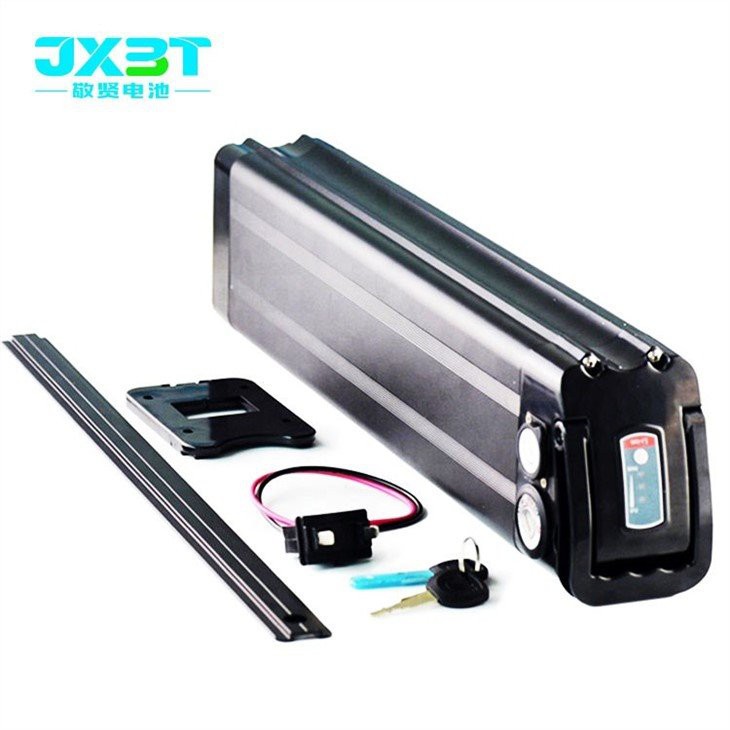
- Use a Battery Management System (BMS): A BMS is an essential component of any Battery Pack for Ebike. It helps to monitor the battery's state of charge and discharge, preventing over - discharge and over - charge. This ensures that the battery operates within a safe DoD range.
- Understand Your Riding Habits: If you have a long commute or like to go on extended rides, you might need to plan your charging stops carefully. Consider carrying a portable charger or knowing where the charging stations are along your route.
The Role of Battery Chemistry
Different battery chemistries have different tolerances to depth of discharge. For example, lithium - ion batteries, which are commonly used in e - bikes, generally perform better at low to medium depths of discharge compared to other chemistries like lead - acid batteries.
Lithium - ion batteries have a high energy density, which means they can store more energy in a smaller and lighter package. However, they are also more sensitive to high DoD. That's why it's even more important to manage the DoD of a lithium - ion Ebike 48v Battery properly.
How Depth of Discharge Affects Range
The depth of discharge also has a direct impact on your e - bike's range. As you use more of the battery's capacity, the voltage drops, which can reduce the power output of the motor. This means that towards the end of a high - DoD discharge, your e - bike might not go as fast or as far as it does when the battery is fully charged.
To get the most consistent range from your e - bike, it's best to keep the DoD in the optimal range. This will ensure that the motor gets a stable supply of power throughout your ride.
Making the Right Choice for Your Ebike
As a supplier, I understand that choosing the right battery for your e - bike is important. When you're looking for a new Battery Pack for Ebike, consider the battery's rated depth of discharge. A battery with a lower recommended DoD might cost a bit more upfront, but it will likely save you money in the long run because it will last longer.
Also, pay attention to the battery's warranty. A good warranty can give you peace of mind knowing that you're protected if something goes wrong with the battery.
Conclusion
So, there you have it - the depth of discharge of an e - bike battery is a crucial factor that affects both its lifespan and performance. By understanding DoD and managing it properly, you can ensure that your e - bike battery lasts as long as possible and gives you a great riding experience.
If you're in the market for a new e - bike battery or have any questions about battery performance, feel free to reach out. We're here to help you make the best choice for your e - bike. Whether you're a casual rider or a daily commuter, we've got the right Lithium Battery for Ebike for you. Let's start a conversation and find the perfect solution for your needs.
References
- Linden, D., & Reddy, T. B. (2002). Handbook of Batteries. McGraw - Hill Professional.
- Tarascon, J. M., & Armand, M. (2001). Issues and challenges facing rechargeable lithium batteries. Nature, 414(6861), 359 - 367.