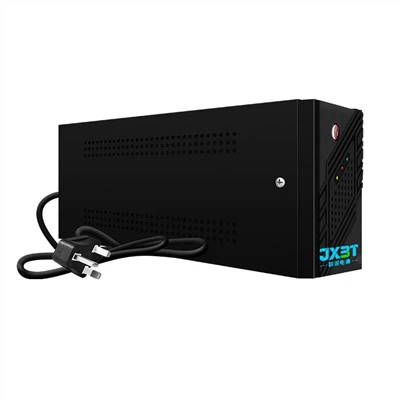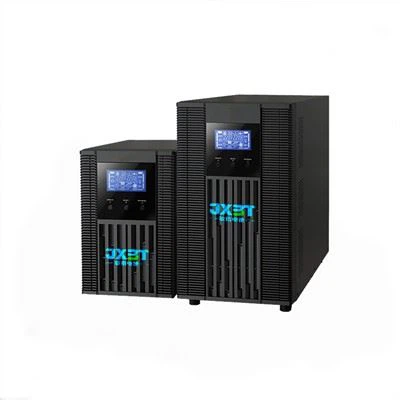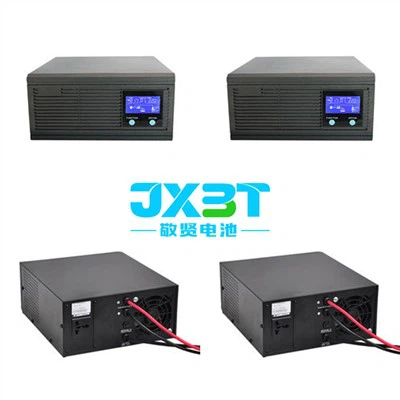

Hey there! As a supplier of Offline UPS, I often get asked about the energy consumption of these devices during standby mode. It's a crucial question, especially for those looking to cut down on energy costs and be more energy - efficient.
Let's first understand what standby mode in an Offline UPS means. When the main power supply is stable and functioning properly, the Offline UPS sits in standby mode. In this state, it's not actively supplying power to the connected devices directly. Instead, it's sort of on 'watch', waiting for a power outage to kick in and take over.

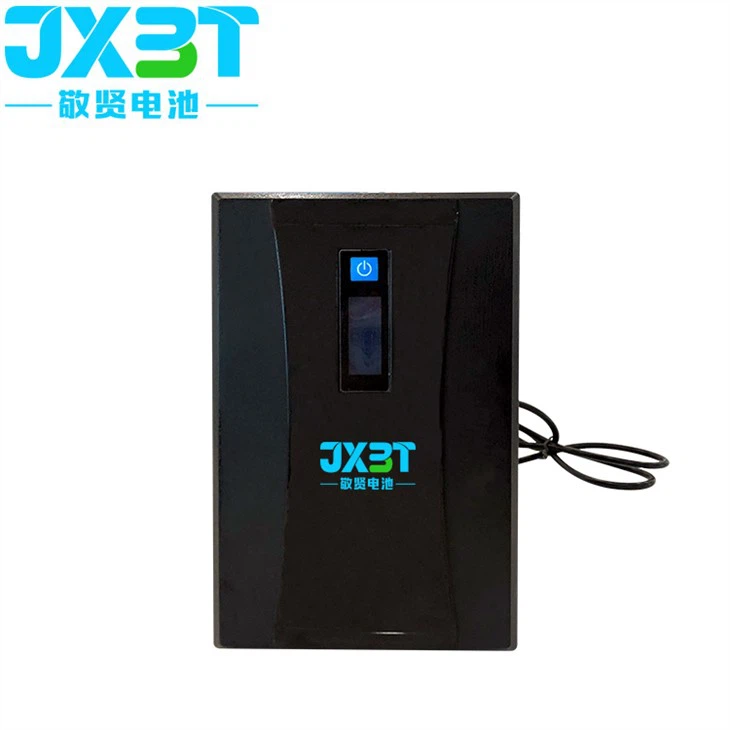
Now, the energy consumption during standby mode can vary based on several factors. One of the main factors is the size and capacity of the UPS. For example, a smaller UPS 1000va Offline will generally consume less energy compared to a larger UPS Offline Line Interactive 3kva. The larger the capacity, the more components it has, and these components need a certain amount of power to keep the system ready.
Another factor is the technology and design of the UPS. Modern, high - quality UPS units are often more energy - efficient, both in operation and standby. They use advanced power management techniques and components that have lower standby losses. Some of our Lithium Battery Uninterrupted Power Supply models are a great example. Lithium batteries are known for their high energy density and low self - discharge rate, which means they consume less power when the UPS is in standby mode.
On average, a small to medium - sized Offline UPS may consume around 1 - 5 watts during standby. This might seem like a small amount, but over time, it can add up. With electricity costs constantly on the rise, every little bit of energy savings counts. For larger capacity UPS, the standby consumption can go up to 10 - 15 watts or even more, depending on the specific model and its features.
You might be wondering how we measure this energy consumption. Well, there are special tools called power meters that can be used to measure the exact amount of power a device is consuming at any given time. By plugging the UPS into a power meter, we can easily find out its standby consumption. And of course, as a supplier, we make sure to test all our products and provide accurate information about their energy consumption to our customers.
But why should you care about the standby energy consumption of an Offline UPS? First of all, it's all about cost - effectiveness. If you have multiple UPS units in your facility, the standby energy cost can be a significant part of your overall electricity bill. By choosing a more energy - efficient UPS, you can save a considerable amount of money in the long run.
Secondly, it's about environmental responsibility. Reducing energy consumption is one of the important steps we can take to protect our planet. When we use less energy, we're also reducing the demand for fossil fuels, which in turn reduces greenhouse gas emissions.
Now, if you're in the market for an Offline UPS, it's important to consider the standby energy consumption along with other factors like capacity, battery life, and price. You want to get a UPS that meets your power protection needs while also being energy - efficient.
At our company, we offer a wide range of Offline UPS options, from small units suitable for home use to large - scale models for commercial and industrial applications. We're committed to providing our customers with high - quality, energy - efficient products. Our team of experts can help you choose the right UPS for your specific requirements and also provide detailed information about its energy consumption.
If you're interested in learning more about our Offline UPS products or if you have any questions about energy consumption, standby mode, or anything else related to UPS, don't hesitate to reach out. Whether you're a small business owner looking for a reliable power backup solution or a large corporation in need of multiple high - capacity UPS units, we're here to assist you. Let's start a conversation and find the perfect Offline UPS for your needs.
References
- Common Power Supply Research Resources
- Industry Reports on UPS Energy Efficiency