
In the realm of power management, Rack Mounted Uninterruptible Power Supplies (UPS) play a crucial role in safeguarding critical equipment from power disruptions. One of the key technical parameters that often gets overlooked but is of utmost importance is the power factor. As a Rack Mounted UPS supplier, I am here to shed light on what the power factor of a Rack Mounted UPS is and why it matters.
Understanding Power Factor
Before delving into the power factor of a Rack Mounted UPS, it's essential to understand what power factor is in general. In an AC electrical circuit, power factor is defined as the ratio of real power (measured in watts, W) to apparent power (measured in volt - amperes, VA). Mathematically, it can be expressed as:
Power Factor (PF)=Real Power (W)/Apparent Power (VA)
Real power is the actual power consumed by the load to perform useful work, such as running a computer or charging a battery. Apparent power, on the other hand, is the product of the voltage and current in the circuit. The difference between real power and apparent power arises due to the presence of reactive components (inductors and capacitors) in the load, which cause the current to be out of phase with the voltage.
A power factor of 1 (or 100%) indicates that all the apparent power is being used as real power, which is the ideal scenario. However, in most real - world electrical systems, the power factor is less than 1. A low power factor means that a significant portion of the apparent power is being wasted in the form of reactive power, which does not contribute to useful work but still causes additional current to flow in the circuit. This leads to increased energy consumption, higher electricity bills, and additional stress on the electrical infrastructure.
Power Factor in Rack Mounted UPS
In a Rack Mounted UPS, the power factor has two aspects to consider: the input power factor and the output power factor.
Input Power Factor
The input power factor of a Rack Mounted UPS refers to the power factor at the UPS's input terminals when it is connected to the mains power supply. A high input power factor is desirable for several reasons. Firstly, it reduces the amount of reactive power drawn from the mains, which helps to improve the overall power quality of the electrical system. This is particularly important in data centers and other facilities where multiple UPS units are connected to the same power grid. A high input power factor can also help to reduce the size of the electrical infrastructure required to support the UPS, such as transformers and switchgear, which can result in cost savings.
Modern Rack Mounted UPS units are designed to have a high input power factor, typically close to 0.99 or higher. This is achieved through the use of advanced power electronics, such as active power factor correction (PFC) circuits. These circuits adjust the input current waveform to be in phase with the input voltage waveform, thereby reducing the reactive power and improving the power factor.
Output Power Factor
The output power factor of a Rack Mounted UPS is the power factor at the UPS's output terminals when it is supplying power to the connected load. The output power factor is determined by the type of load connected to the UPS. Different types of loads have different power factor requirements. For example, computer servers and other electronic equipment typically have a power factor in the range of 0.9 - 0.95, while some industrial loads may have a lower power factor.
When selecting a Rack Mounted UPS, it is important to consider the output power factor rating of the UPS and ensure that it is compatible with the power factor requirements of the connected load. If the output power factor of the UPS is lower than the power factor requirement of the load, the UPS may not be able to supply the full rated power to the load, which can lead to overloading and potential damage to the UPS or the connected equipment.
Importance of Power Factor in Rack Mounted UPS
The power factor of a Rack Mounted UPS has several important implications for both the user and the electrical system as a whole.


Energy Efficiency
As mentioned earlier, a high power factor reduces the amount of reactive power in the electrical circuit, which in turn reduces the overall energy consumption. This means that a Rack Mounted UPS with a high power factor will consume less energy from the mains, resulting in lower electricity bills. In large data centers and other facilities where multiple UPS units are used, the energy savings can be significant over time.
Equipment Protection
A high power factor also helps to protect the connected equipment from damage. When the power factor is low, the current flowing in the circuit is higher than it needs to be for the same amount of real power. This can cause overheating in the electrical cables, transformers, and other components, which can lead to premature failure. By using a Rack Mounted UPS with a high power factor, the current in the circuit is reduced, which helps to extend the lifespan of the connected equipment.
Power Quality
A high power factor improves the overall power quality of the electrical system. It reduces the harmonic distortion in the current and voltage waveforms, which can cause interference with other electrical equipment. This is particularly important in sensitive environments such as data centers and hospitals, where a stable and clean power supply is essential for the proper operation of the equipment.
Choosing the Right Rack Mounted UPS Based on Power Factor
When choosing a Rack Mounted UPS, it is important to consider both the input and output power factor ratings. Here are some tips to help you make the right choice:
- Understand your load requirements: Determine the power factor requirements of the connected load. This information can usually be found in the equipment's technical specifications. Make sure that the output power factor rating of the UPS is compatible with the load's power factor requirements.
- Look for high input power factor: Choose a Rack Mounted UPS with a high input power factor, preferably close to 0.99 or higher. This will help to reduce the energy consumption and improve the power quality of the electrical system.
- Consider future expansion: If you plan to expand your electrical system in the future, choose a Rack Mounted UPS with a higher power rating and a high power factor. This will ensure that the UPS can handle the additional load without compromising on performance.
Our Rack Mounted UPS Products
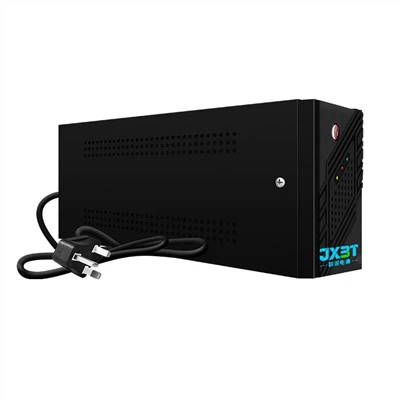
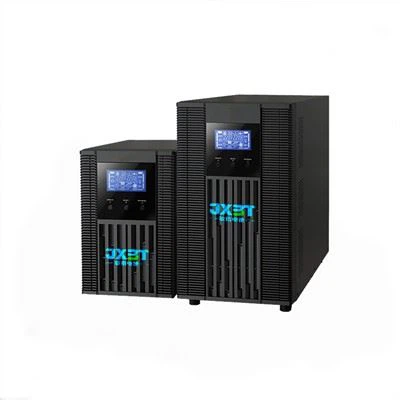
At our company, we offer a wide range of Rack Mounted UPS products with high power factor ratings. Our 220V 1KVA Rack Mount Online UPS is designed to provide reliable power protection for small to medium - sized servers and other critical equipment. It has a high input power factor of 0.99 and an output power factor of 0.9, which makes it suitable for a variety of loads.
Our Rack Mount UPS series includes models with different power ratings and features to meet the diverse needs of our customers. Whether you need a UPS for a small office or a large data center, we have the right solution for you.
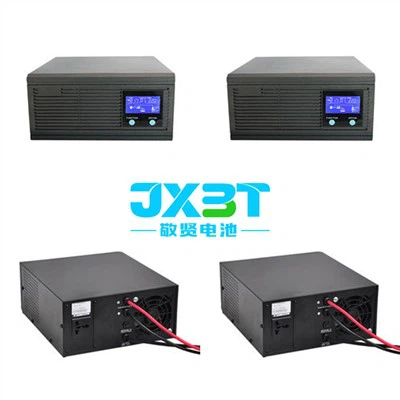
For applications that require a specific power output, our Uninterruptible Power Supply 800W is a great choice. It offers a high power factor and reliable performance to ensure the continuous operation of your critical equipment.
Contact Us for Procurement
If you are interested in purchasing a Rack Mounted UPS for your business, we invite you to contact us for procurement discussions. Our team of experts can help you choose the right UPS based on your specific requirements and provide you with detailed information about our products and services. Don't hesitate to reach out to us to ensure that your critical equipment is protected by a high - quality Rack Mounted UPS with an optimal power factor.
References
- Chapman, S. J. (2012). Electric Machinery Fundamentals. McGraw - Hill.
- Dorf, R. C., & Svoboda, J. A. (2014). Introduction to Electric Circuits. Wiley.