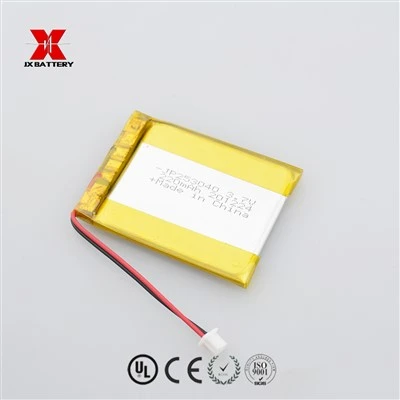


Battery recycling follows a strict process: classification, formal collection, echelon utilization and material regeneration. Different types of batteries require different disposal methods.
1. Classification & Safety Precaution
Lithium batteries (phones, power banks, 18650, EV batteries): Do not discard or disassemble randomly; must be recycled by professional institutions.
Lead-acid batteries: Corrosive, only recycled by qualified merchants.
Dry batteries & button batteries: Classified as hazardous waste.
Safety operation: Cover battery electrodes with insulating tape to avoid short circuit, fire and liquid leakage.
2. Recycling Channels for Individuals
Community hazardous waste bins
Brand stores, auto repair shops and EV dealers
Online recycling platforms for door-to-door collection
3. Industrial Professional Recycling Process
Centralized collection and safe storage
Complete discharge to eliminate fire risks
Mechanical dismantling, crushing and material sorting
Echelon utilization: Repack qualified batteries for energy storage and low-speed vehicles.
Material regeneration: Recycle lithium, cobalt, nickel, copper and other precious metals via hydrometallurgy or pyrometallurgy.
4. Prohibitions
It is forbidden to disassemble, burn or bury waste batteries privately to prevent environmental pollution and safety accidents.

Globally renowned lithium polymer battery company-JXBT