

Classified by battery chemistry, below are the industry-standard nominal voltages for cells and battery packs.
1. Lithium Batteries (Most Widely Used)
Ternary Lithium / Lithium Cobalt Oxide
(Mobile phones, digital devices, 18650 cylindrical cells)
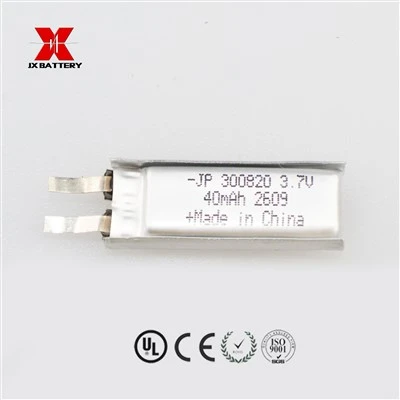
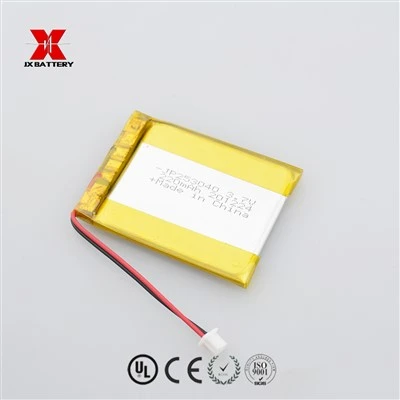
Single cell nominal voltage: 3.7 V
Discharge voltage range: 3.0~4.2 V
Full charge voltage: 4.2 V
Discharge cut-off voltage: 3.0 V
Lithium Iron Phosphate (LFP)
(Energy storage, electric vehicles, photovoltaic power supply)
Single cell nominal voltage: 3.2 V
Discharge voltage range: 2.5~3.65 V
Full charge voltage: 3.65 V
Discharge cut-off voltage: 2.5 V
Primary Lithium Batteries (Non-rechargeable)
Lithium Manganese Dioxide: 3.0 V (e.g., CR2032 button cells)
Lithium Thionyl Chloride: 3.6 V (water meters, long-life instruments)
2. Nickel-Based Rechargeable Batteries
Ni-MH / Ni-Cd Battery
Single cell nominal voltage: 1.2 V
Discharge voltage range: 1.0~1.45 V
3. Lead-Acid Batteries
(Electric vehicles, UPS, standby power supply)
Single cell nominal voltage: 2.0 V
Common assembled battery voltage:
6 V (3 cells in series)
12 V (6 cells in series) - most universal
4. Common Assembled Battery Voltages
Ternary Lithium (3.7V per cell, series connection)
1S: 3.7 V2S: 7.4 V3S: 11.1 V (12V replacement)4S: 14.8 V7S: 25.9 V10S: 37 V13S: 48.1 V (48V electric vehicle)16S: 59.2 V (60V electric vehicle)
LFP Battery (3.2V per cell, series connection)
1S: 3.2 V4S: 12.8 V (12V lead-acid replacement)8S: 25.6 V15S: 48 V LFP battery20S: 60 V LFP battery