

Battery appearance (shape, encapsulation, dimensions, shell material) directly determines material costs, production efficiency, assembly complexity, and maintenance costs, serving as one of the core factors affecting the overall battery cost.
1. Cost Comparison of Three Mainstream Battery Designs (Core Differences)
1. Cylindrical Batteries (18650/21700/4680)
Lowest cell cost: Standardized dimensions, mature winding processes, high automation, and universal production equipment, bringing the per-kWh cost below $100.
High pack assembly cost: Thousands of cells connected in series require extensive copper bars, brackets, and multi-channel BMS, with assembly costs around 15% higher than prismatic batteries.
Shell material: Mainly low-cost & high-strength steel shells, with a small number of aluminum shells; shell cost accounts for only 3%–5% of the total.
Typical applications: Mass-volume production scenarios with high consistency requirements (e.g., Tesla, energy storage).
2. Prismatic Batteries (Blade Battery / Large-format Cells)
Moderate cell cost: Adopt lamination or winding processes with aluminum shells, featuring high material utilization (about 20% higher than cylindrical cells) and reduced module frames.
Higher cost from customization: Diversified non-standard dimensions lead to expensive molds and production line switching costs, suitable for large-scale production by major manufacturers.
Shell material: Dominated by lightweight, heat-conductive aluminum shells, accounting for 5%–8% of total costs.
Pack advantages: High space utilization, reusable structural parts, and optimized system-level total cost.
Typical applications: Passenger vehicles, energy storage, customized consumer electronics.
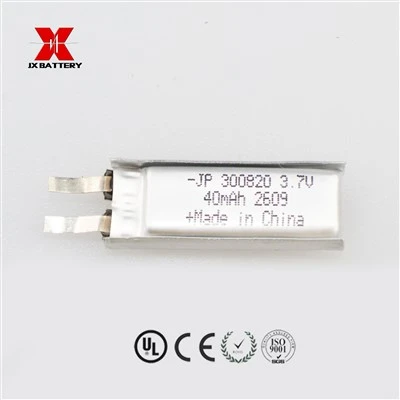
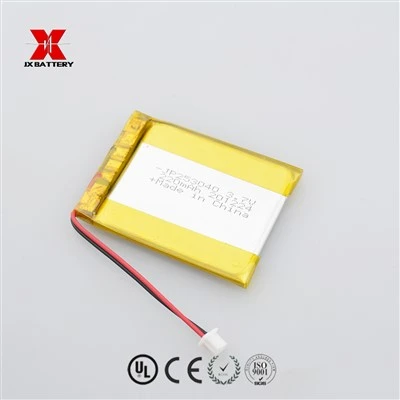
3. Pouch Batteries (Aluminum-Plastic Laminated Film)
Highest cell cost: Expensive aluminum-plastic film accounts for nearly 20% of total costs; strict production cleanliness requirements, low yield rates and complex processes further raise expenses.
Lightweight advantage: No rigid metal shells for higher energy density and weight reduction, yet additional structural reinforcement is needed.
Complex assembly: Difficult heat dissipation and explosion-proof design, resulting in high after-sales maintenance costs.
Typical applications: High-end consumer electronics and scenarios with strict weight & shape customization demands.
2. How Appearance Details Affect Costs
1. Shape & Dimensions
Standardized vs Customized: Universal standard sizes (cylindrical) reduce equipment investment and mass production costs; customized prismatic/pouch batteries incur extra mold and line-change costs with lower productivity.
Cell size: Large-format cells (4680, blade battery) drastically cut cell quantities, BMS and connector costs, while bringing higher challenges in electrode coating/lamination and unstable yield rates.
Corner & radian design: Sharp corners of prismatic batteries cause stress concentration and accelerated capacity decay, requiring extra processing; cylindrical batteries feature uniform stress and excellent consistency.
2. Shell Material & Processing Technology
Steel vs Aluminum vs Aluminum-Plastic Film
Steel shell: Low cost, high mechanical strength, easy processing; heavy weight and low energy density.
Aluminum shell: Lightweight, superior heat dissipation, integrated molding capability; higher unit price with mandatory anti-corrosion & oxidation treatment.
Aluminum-plastic film: Ultra-lightweight and high energy density; high procurement cost and heavy reliance on imported materials with poor mechanical durability.
Process complexity ranking: Winding (cylindrical) < Lamination (prismatic) < Heat sealing (pouch); more procedures mean higher overall costs.
3. Pack & System-level Costs
Space utilization ranking: Prismatic > Cylindrical > Pouch; higher space efficiency minimizes battery pack size, structural parts and overall expenditure.
Connection & cooling: Cylindrical batteries need complicated connectors and cooling systems; prismatic/pouch batteries simplify thermal management and reduce accessory quantities.
Maintainability: Prismatic batteries support easy disassembly and partial repair; cylindrical and pouch batteries are mostly replaced as a whole, raising long-term operating costs.
3. Cost Trends & Selection Principles
Cylindrical batteries: Large-size upgrade (4680) & tabless design lower both cell and pack costs, narrowing the gap with prismatic batteries.
Prismatic batteries: CTP technology and blade design eliminate traditional modules to achieve optimal system cost.
Pouch batteries: Localized production of aluminum-plastic film and process optimization gradually reduce costs, yet they remain more expensive than rigid-shell batteries.
Selection Guidelines
For minimum mass production cost: Choose cylindrical batteries (high standardization).
For optimal system cost & space efficiency: Choose prismatic batteries (CTP / blade structure).
For ultra-lightweight & special shape customization: Choose pouch batteries (cost-insensitive scenarios)

Globally renowned lithium polymer battery company-JXBT