

Why choose li polymer battery in the field of digital device?

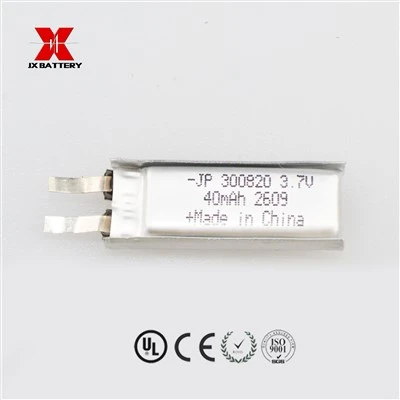
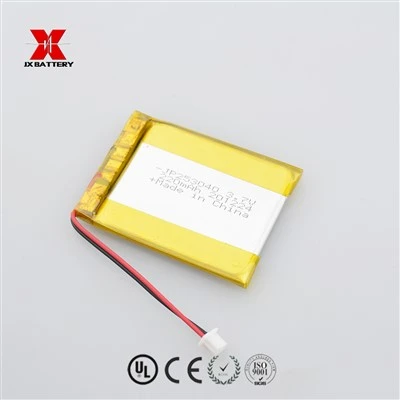
Choosing polymer batteries, specifically Lithium-ion Polymer (Li-Po) batteries, is fundamentally a strategic decision driven by the modern electronics industry's relentless pursuit of extreme thinness, complex structural integration, and enhanced intrinsic safety. Unlike traditional cylindrical or prismatic liquid lithium-ion batteries that are constrained by rigid metal casings, polymer batteries utilize a unique aluminum-plastic laminated film as their outer packaging. This soft-pack architecture eliminates the need for heavy steel or aluminum shells, allowing the battery to be manufactured into ultra-thin profiles with a thickness of less than 1mm, and even bent or curved to perfectly fit into irregular internal spaces. For device engineers designing flagship smartphones, foldable displays, and sleek wearable technology, this unparalleled shape flexibility is not merely an advantage but an absolute necessity to maximize energy capacity within strictly limited physical volumes.
Beyond mechanical adaptability, the selection of polymer batteries is heavily justified by their superior safety profile and electrochemical efficiency. Instead of relying entirely on volatile liquid electrolytes, polymer batteries employ a solid or gel-like polymer electrolyte. This material characteristic drastically mitigates the risk of electrolyte leakage and significantly reduces the likelihood of violent explosions under extreme conditions such as short circuits, overcharging, or physical impact. In failure scenarios, a polymer cell will typically only swell or "puff up" due to gas generation within its flexible pouch, rather than rupturing catastrophically like a pressurized metal canister. Furthermore, polymer cells generally exhibit lower internal resistance (often below 35mΩ), which minimizes self-discharge, extends standby time, and supports high-current discharge capabilities required by power-hungry applications like drones and remote-control models. When weighing these attributes against the slightly higher manufacturing costs and moderate low-temperature limitations, the comprehensive benefits in weight reduction, volumetric energy density, and operational safety make polymer batteries the definitive power solution for premium portable consumer electronics.