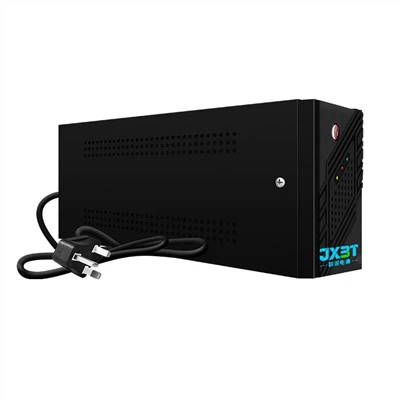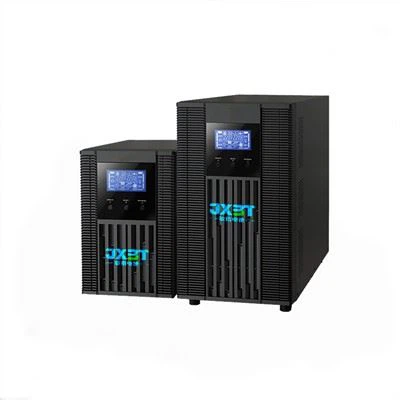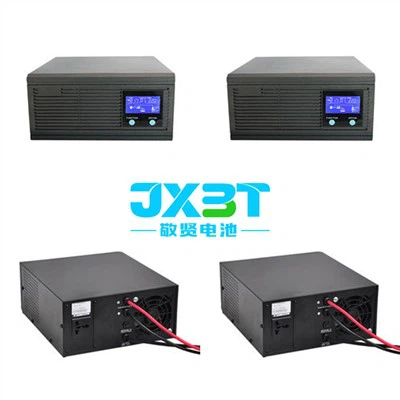

In today's technology - driven world, uninterruptible power supplies (UPS) are crucial for ensuring continuous power to critical equipment. Among the various components of a UPS system, the battery plays a vital role. Lithium - ion batteries have emerged as a popular choice for UPS applications, but how do they stack up in terms of cost - effectiveness compared to other battery types? As a supplier of Lithium UPS Batteries, I'm excited to delve into this topic and share with you the insights.
Understanding Different Battery Types for UPS
Lead - Acid Batteries
Lead - acid batteries have long been the go - to option for UPS systems. They are divided into two main categories: valve - regulated lead - acid (VRLA) and flooded lead - acid batteries. VRLA batteries are maintenance - free and are commonly used in small to medium - sized UPS applications. Flooded lead - acid batteries, on the other hand, require regular maintenance such as water topping - up but can offer higher energy densities in some cases.


Nickel - Cadmium (Ni - Cd) Batteries
Ni - Cd batteries were once widely used in UPS systems. They are known for their long cycle life, high discharge rate capability, and excellent performance in extreme temperatures. However, they have several drawbacks, including high cost, environmental concerns due to cadmium content, and a relatively low energy density compared to lithium - ion batteries.
Lithium - Ion Batteries
Lithium - ion batteries are a newer technology in the UPS market. They come in various chemistries, such as lithium iron phosphate (LiFePO4), lithium cobalt oxide (LiCoO2), and lithium manganese oxide (LiMn2O4). Lithium - ion batteries offer high energy density, long cycle life, and a relatively low self - discharge rate.
Cost - Effectiveness Analysis
Initial Cost
The initial cost of a battery is often a significant factor in the decision - making process. Lead - acid batteries generally have a lower upfront cost compared to lithium - ion batteries. This is because the manufacturing process of lead - acid batteries is well - established and the raw materials are relatively inexpensive. Ni - Cd batteries, on the other hand, are more expensive than lead - acid batteries but still tend to be costlier than lithium - ion batteries per unit of energy storage in many cases.
However, it's important to note that as the demand for lithium - ion batteries continues to grow and technology advances, the price gap between lithium - ion and lead - acid batteries is gradually narrowing. Additionally, some advanced lithium - ion chemistries, like LiFePO4, are becoming more cost - competitive in the market.
Lifetime Cost
Lifetime cost is a more comprehensive measure of cost - effectiveness, taking into account factors such as the battery's cycle life, maintenance requirements, and replacement frequency.
- Cycle Life: Lithium - ion batteries typically have a much longer cycle life compared to lead - acid and Ni - Cd batteries. For example, a well - maintained lithium - ion battery can have up to 2000 - 5000 charge - discharge cycles, while a lead - acid battery may only have 500 - 1000 cycles. This means that over the long term, you may need to replace a lead - acid battery several times while a lithium - ion battery can continue to operate effectively.
- Maintenance Requirements: Lithium - ion batteries are virtually maintenance - free. They do not require water topping - up like flooded lead - acid batteries, and there is no need for equalization charging. This reduces the labor and material costs associated with maintenance. In contrast, lead - acid batteries may require regular maintenance checks and servicing, which can add up over time.
- Replacement Frequency: The longer cycle life of lithium - ion batteries translates into a lower replacement frequency. Frequent battery replacements not only incur the cost of the new battery but also the labor and downtime associated with the replacement process. For businesses that rely on continuous power, minimizing downtime is crucial.
Energy Efficiency
Energy efficiency is another important aspect of cost - effectiveness. Lithium - ion batteries have a higher charge - discharge efficiency compared to lead - acid and Ni - Cd batteries. This means that less energy is wasted during the charging and discharging processes. Higher energy efficiency can lead to lower electricity bills, especially in applications where the UPS system is frequently charged and discharged.
Footprint and Space Requirements
Lithium - ion batteries have a higher energy density than lead - acid and Ni - Cd batteries. This means that for the same amount of energy storage, lithium - ion batteries require less physical space. In data centers and other installations where space is at a premium, this can result in significant cost savings. A smaller footprint may also allow for more efficient use of the available space, potentially reducing the overall real - estate cost.
Specific Applications and Cost - Effectiveness
Small - Scale Applications
In small - scale applications, such as home offices or small businesses, the initial cost may be a more significant consideration. However, even in these cases, the long - term cost savings of lithium - ion batteries can be substantial. For example, a 1kVA 120vac Online UPS with a lithium - ion battery may have a higher upfront cost but can save money over its lifetime due to lower maintenance and replacement costs.
Medium - to - Large - Scale Applications
In medium - to - large - scale applications, such as data centers or industrial facilities, the cost - effectiveness of lithium - ion batteries becomes even more evident. These applications often require high - power and high - reliability UPS systems. A 3 Phase Battery Backup system with lithium - ion batteries can offer better performance, longer life, and lower total cost of ownership compared to lead - acid or Ni - Cd battery - based systems.
High - Voltage Applications
In high - voltage applications, High Voltage Ups Battery options are essential. Lithium - ion batteries are well - suited for these applications due to their high energy density and ability to handle high voltages. They can provide a more compact and efficient solution compared to other battery types, further enhancing their cost - effectiveness.
Conclusion and Call to Action
In conclusion, while lithium - ion batteries may have a higher initial cost than some other battery types, their long - term cost - effectiveness is often superior. Their longer cycle life, lower maintenance requirements, higher energy efficiency, and smaller footprint make them a compelling choice for a wide range of UPS applications.
If you are considering upgrading or installing a new UPS system and want to learn more about the cost - effectiveness of our Lithium UPS Batteries, we would be delighted to assist you. Whether you need a small - scale solution for your home office or a large - scale system for an industrial facility, our team of experts can provide you with customized recommendations. Contact us today to start a discussion about your specific power protection needs and explore how our lithium - ion batteries can provide you with the best value for your investment.
References
- "Battery Technologies for UPS Systems" - Industry Report on Power Electronics
- "Comparative Analysis of UPS Battery Types" - Journal of Energy Storage
- "Advancements in Lithium - Ion Battery Technology for UPS Applications" - Proceedings of the International Power Systems Conference