
Hey there! As a supplier of Offline UPS, I often get asked about the rated load capacity of these handy devices. So, let's dig into what exactly the rated load capacity of an Offline UPS is and why it matters.
First off, what's an Offline UPS? Well, it's a type of uninterruptible power supply that switches to battery power when it detects a power outage. It's not as fancy as some of the other UPS types like online double-conversion ones, but it's reliable and cost - effective. It's perfect for small businesses, home offices, and even regular homes where you just need basic power backup for essential devices.
Now, onto the rated load capacity. The rated load capacity of an Offline UPS is basically the maximum amount of electrical power that the UPS can handle safely and efficiently. It's measured in volt - amperes (VA) or watts (W). Sometimes these two ratings can be a bit confusing. VA is a measure of apparent power, which includes both the real power (used by the device to do useful work) and the reactive power (associated with the magnetic fields in inductive loads like motors). Watts, on the other hand, is a measure of real power.
Most of the time, you'll see the VA rating on the UPS, but it's important to know that not all of that apparent power can be converted into real power. Typically, you can use a rule of thumb to convert VA to watts. For many common electronic devices, you can assume that the real power (watts) is about 60 - 80% of the apparent power (VA). So, if you have a UPS with a rated load capacity of 1000VA, you can probably safely power devices that consume around 600 - 800 watts.
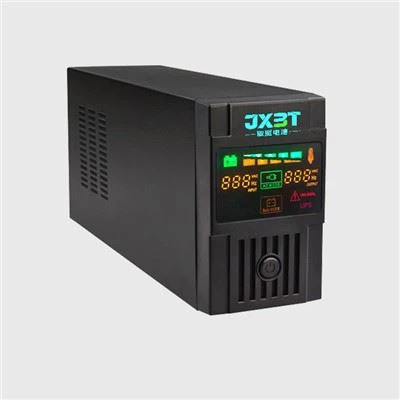
Why is it so crucial to pay attention to the rated load capacity? Well, if you try to load your Offline UPS beyond its rated capacity, you're asking for trouble. It could cause the UPS to overheat, shut down prematurely, or even damage the UPS itself and the connected devices. Imagine you've got a bunch of important files on your computer, and the UPS fails because you've overloaded it during a power outage. That's a nightmare scenario!
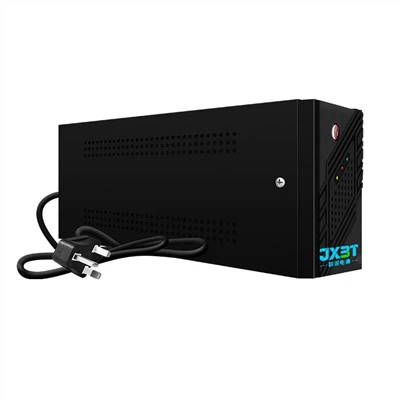
Let's take a look at some of the common rated load capacities of Offline UPS and what they can power. For example, a High Quality Offline UPS 500va With LCD Display. With a 500VA rating, it can handle a relatively small load. It's great for powering a single desktop computer, a small monitor, and maybe a few other peripherals like a keyboard and mouse. This kind of UPS is ideal for a basic home office setup where you don't have a lot of power - hungry devices.
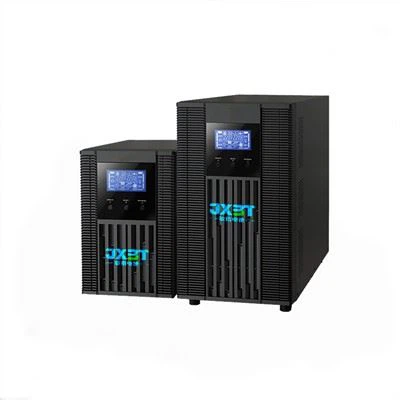
If you have a bit more equipment to power, say a couple of computers, some printers, and a small network switch, you might want to look at a UPS For Home 1500va. The 1500VA rated load capacity gives you a lot more leeway. You can keep multiple essential devices running during a power outage, which is perfect for a small business or a home with a more elaborate home office setup.
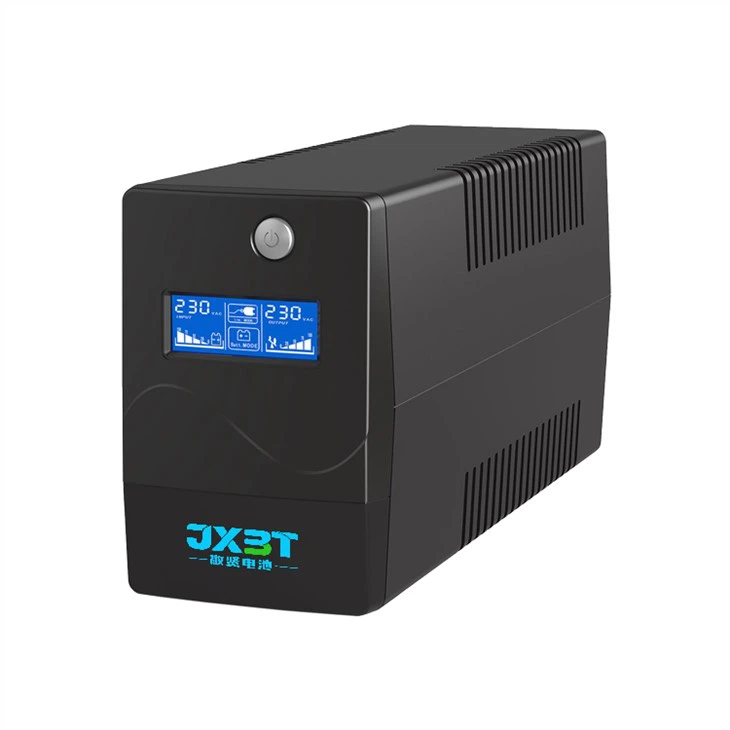
Another option is the 650va Offline Line Interactive UPS With Batteries. It strikes a nice balance between the smaller 500VA models and the larger 1500VA ones. It can handle a decent amount of load, like a mid - sized desktop computer, a larger monitor, and a printer. This makes it a versatile choice for different kinds of setups.
When you're choosing an Offline UPS based on the rated load capacity, you need to consider the total power consumption of all the devices you want to connect to it. Make a list of all your devices and find out their power ratings. You can usually find this information on the device itself or in the user manual. Add up the power consumption of all the devices, and then choose a UPS with a rated load capacity that's higher than the total. It's always better to have a bit of a buffer to ensure the UPS can handle any sudden spikes in power demand.
Also, keep in mind that the runtime of the UPS is related to the rated load capacity. The more load you put on the UPS, the shorter the battery runtime will be. So, if you need the UPS to power your devices for a longer time during a power outage, you might want to choose a UPS with a higher rated load capacity and perhaps even consider getting additional batteries.
In summary, the rated load capacity of an Offline UPS is a key factor to consider when you're looking for a reliable power backup solution. It determines how many and what kind of devices you can keep running during a power outage. Choose the right rated load capacity based on your actual power needs, and you'll have peace of mind knowing that your essential devices are protected.
If you're in the market for an Offline UPS and need more information on choosing the right rated load capacity for your setup, or if you have any other questions, don't hesitate to reach out. We're here to help you find the perfect Offline UPS for your needs. Come and talk to us about your requirements, and let's start a great partnership!
References
- General knowledge about UPS systems from industry experience
- Product specifications of Offline UPS models