
Hey there! As a supplier of Online UPS systems, I've seen firsthand how temperature can seriously mess with the performance of these crucial power backup devices. In this blog, I'm gonna break down how temperature affects an Online UPS, and what you can do to keep it running smoothly.
Let's start with the basics. An Online UPS, or Uninterruptible Power Supply, is designed to provide a continuous and stable power supply to critical equipment, like servers, data centers, and medical devices. It works by constantly converting the incoming AC power to DC, storing it in batteries, and then converting it back to AC to power your equipment. This process ensures that your devices receive a clean and consistent power source, even during power outages or fluctuations.
Now, let's talk about temperature. Temperature is one of the most important factors that can affect the performance of an Online UPS. Both high and low temperatures can have a significant impact on the battery life, efficiency, and overall reliability of the UPS.
High Temperatures
High temperatures are like kryptonite for Online UPS systems. When the temperature rises, the chemical reactions inside the batteries speed up, which can cause the batteries to degrade faster. This means that the batteries will lose their capacity to hold a charge over time, and will need to be replaced more frequently.
In addition to reducing the battery life, high temperatures can also affect the efficiency of the UPS. As the temperature rises, the internal components of the UPS, such as the inverter and the charger, will generate more heat. This extra heat can cause the components to work harder, which can lead to increased energy consumption and reduced efficiency.
Moreover, high temperatures can also increase the risk of thermal runaway in the batteries. Thermal runaway occurs when the temperature of the batteries rises to a point where the chemical reactions inside the batteries become self-sustaining. This can cause the batteries to overheat, and in some cases, can even lead to a fire or explosion.
Low Temperatures
While high temperatures are a major concern for Online UPS systems, low temperatures can also have a negative impact on their performance. When the temperature drops, the chemical reactions inside the batteries slow down, which can cause the batteries to lose their ability to deliver power.
In cold temperatures, the viscosity of the electrolyte inside the batteries increases, which makes it more difficult for the ions to move between the electrodes. This can reduce the battery's capacity to deliver power, and can also cause the battery to take longer to charge.
In addition to reducing the battery performance, low temperatures can also affect the mechanical components of the UPS. Cold temperatures can cause the plastic and rubber parts of the UPS to become brittle, which can increase the risk of cracking and damage.
How to Mitigate the Impact of Temperature
So, what can you do to mitigate the impact of temperature on the performance of your Online UPS? Here are some tips:
- Proper Ventilation: Make sure that your UPS is installed in a well-ventilated area. This will help to dissipate the heat generated by the UPS, and will prevent the temperature from rising too high.
- Temperature Monitoring: Use a temperature monitoring system to keep track of the temperature inside the UPS. This will allow you to detect any temperature changes early, and take corrective action before it's too late.
- Battery Maintenance: Regularly check the batteries of your UPS to ensure that they are in good condition. This includes checking the battery voltage, the electrolyte level, and the temperature. If you notice any signs of damage or degradation, replace the batteries immediately.
- Use a Temperature-Controlled Environment: If possible, install your UPS in a temperature-controlled environment, such as a data center or a server room. This will help to maintain a stable temperature, and will reduce the impact of temperature on the performance of the UPS.
Our Online UPS Products
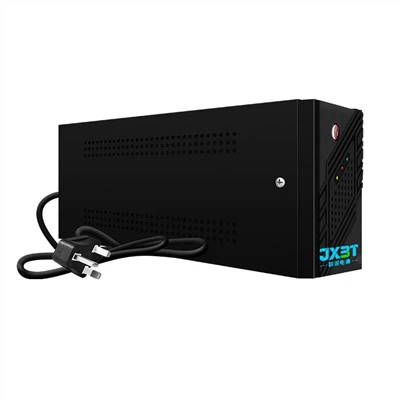
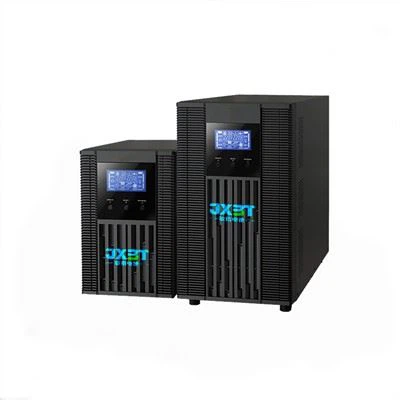
At our company, we offer a wide range of Online UPS systems that are designed to perform well in a variety of temperature conditions. For example, our 2.4kw UPS With Battery is equipped with advanced battery management technology that helps to extend the battery life, even in high temperatures. Our Single Phase 2000va UPS is designed to operate efficiently in both high and low temperatures, making it a great choice for a variety of applications. And our Online 2kva UPS is built with high-quality components that are designed to withstand extreme temperatures.


Conclusion
In conclusion, temperature has a significant impact on the performance of an Online UPS. High temperatures can reduce the battery life, efficiency, and reliability of the UPS, while low temperatures can reduce the battery performance and increase the risk of mechanical damage. By taking the necessary steps to mitigate the impact of temperature, such as proper ventilation, temperature monitoring, battery maintenance, and using a temperature-controlled environment, you can ensure that your Online UPS system operates at its best.
If you're in the market for an Online UPS system, or if you have any questions about how temperature affects the performance of your UPS, don't hesitate to contact us. We're here to help you find the right UPS solution for your needs, and to ensure that it performs well in any temperature condition.