
As a dedicated supplier of motorcycle batteries, I understand the importance of fast - charging your motorcycle battery safely. In this blog, I'll share some valuable insights and practical tips to help you achieve this goal.
Understanding the Basics of Motorcycle Batteries
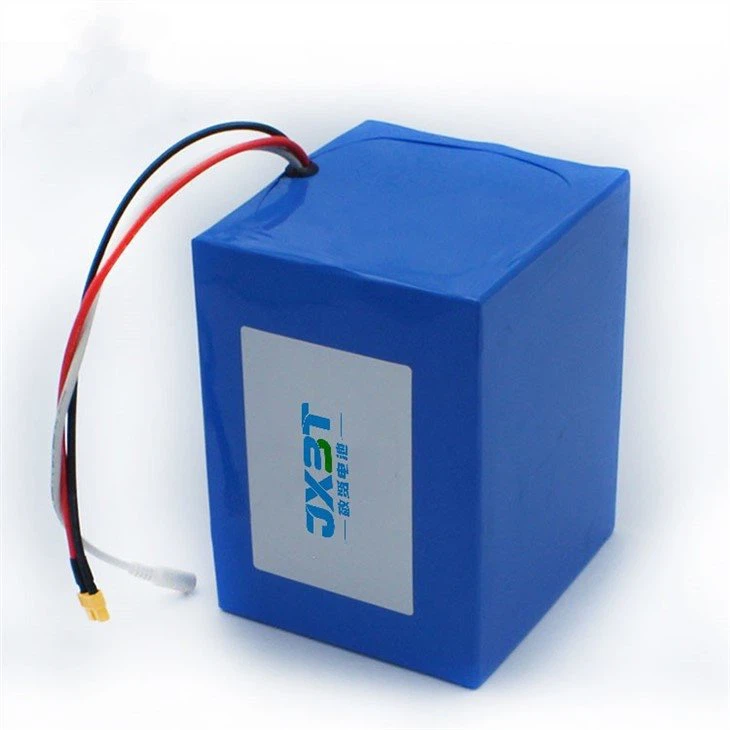
Before delving into fast - charging, it's crucial to have a basic understanding of motorcycle batteries. There are different types of motorcycle batteries, such as lead - acid and lithium - ion batteries. Lead - acid batteries are the traditional choice, known for their reliability and affordability. On the other hand, lithium - ion batteries are lighter, have a longer lifespan, and offer better performance in terms of power output.
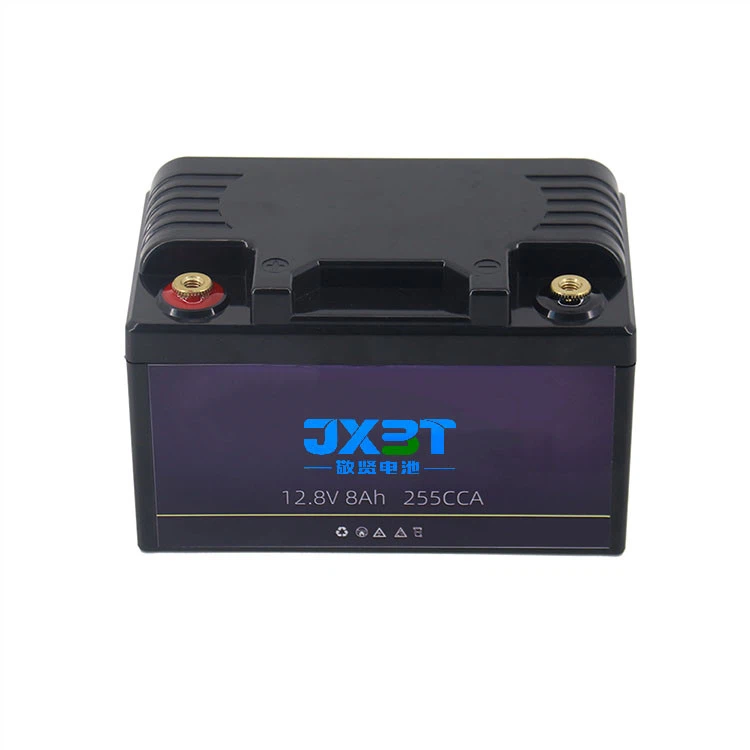
Our company offers a wide range of high - quality motorcycle batteries, including the 400cca Motorcycle Battery, Battery for Electric Motorcycle, and 12v 8ah Battery Motorcycle. Each of these batteries is designed to meet the specific needs of different motorcycles.
The Importance of Safe Fast - Charging
Fast - charging a motorcycle battery can save you a significant amount of time, especially when you're in a hurry to get back on the road. However, it must be done safely to avoid damaging the battery or causing a safety hazard. An improper fast - charging process can lead to overheating, which can reduce the battery's lifespan and even cause it to explode in extreme cases.
Pre - Charging Checks
Before you start fast - charging your motorcycle battery, there are several pre - charging checks you should perform:
1. Inspect the Battery
Check the battery for any visible signs of damage, such as cracks, leaks, or corrosion. If you notice any damage, it's best to replace the battery rather than attempting to charge it. A damaged battery can pose a serious safety risk during the charging process.
2. Check the Battery Voltage
Use a multimeter to measure the battery's voltage. A fully charged 12 - volt lead - acid battery should have a voltage of around 12.6 volts. If the voltage is significantly lower, it indicates that the battery is discharged and needs to be charged.
3. Ensure Proper Ventilation
Fast - charging can generate heat and gases. Make sure the charging area is well - ventilated to prevent the accumulation of potentially explosive gases. Avoid charging the battery in an enclosed space, such as a small shed or a garage with poor ventilation.
Choosing the Right Charger
Selecting the appropriate charger is essential for safe fast - charging. There are different types of chargers available, including trickle chargers, smart chargers, and fast chargers.
1. Trickle Chargers
Trickle chargers are designed to charge the battery slowly over a long period. They are suitable for maintaining the battery's charge rather than fast - charging. While they are safe, they are not the best option when you need to charge the battery quickly.
2. Smart Chargers
Smart chargers are more advanced and can automatically adjust the charging current based on the battery's state of charge. They are a good choice for fast - charging as they can prevent overcharging, which is a common problem with traditional chargers.
3. Fast Chargers
Fast chargers are specifically designed to charge the battery quickly. However, not all fast chargers are created equal. Make sure the charger is compatible with your motorcycle battery's type and specifications. Using an incompatible charger can damage the battery.
Setting Up the Charger
Once you've chosen the right charger, it's time to set it up correctly:
1. Connect the Charger
Connect the charger to the battery following the manufacturer's instructions. Usually, the red cable is connected to the positive terminal of the battery, and the black cable is connected to the negative terminal. Make sure the connections are secure to prevent any sparks or short - circuits.
2. Set the Charging Parameters
If your charger allows you to set the charging parameters, such as the charging current and voltage, make sure to set them correctly according to the battery's specifications. Overcharging can lead to overheating and damage the battery, while undercharging can result in a battery that is not fully charged.
Monitoring the Charging Process
During the fast - charging process, it's important to monitor the battery closely:
1. Check the Temperature
Use a thermometer to check the battery's temperature regularly. If the battery gets too hot (above 120°F or 49°C for lead - acid batteries), stop the charging process immediately. Overheating can cause irreversible damage to the battery.
2. Observe the Charger Indicators
Most chargers have indicators that show the charging status. Pay attention to these indicators to ensure that the charging process is progressing normally. If the charger indicates an error or abnormal charging, stop the process and check for any issues.
Post - Charging Steps
After the battery is fully charged, there are a few post - charging steps you should take:
1. Disconnect the Charger
Carefully disconnect the charger from the battery. Start by removing the negative cable, followed by the positive cable. This helps prevent any accidental short - circuits.
2. Re - check the Battery Voltage
Use a multimeter to re - check the battery's voltage. It should be within the normal range for a fully charged battery. If the voltage is still low, there may be an issue with the battery or the charging process.
Conclusion
Fast - charging a motorcycle battery safely requires careful preparation, the right equipment, and close monitoring. By following the steps outlined in this blog, you can ensure that your battery is charged quickly and safely, extending its lifespan and keeping you on the road.
If you're in the market for a high - quality motorcycle battery or have any questions about fast - charging, I encourage you to reach out to us. We're here to provide you with the best products and expert advice. Whether you need a 400cca Motorcycle Battery, Battery for Electric Motorcycle, or 12v 8ah Battery Motorcycle, we have the perfect solution for your needs. Contact us today to start a procurement discussion.
References
- Battery University: A comprehensive resource for battery knowledge and charging techniques.
- Motorcycle manufacturers' manuals: Provide specific information about the battery and charging requirements for different motorcycle models.