
As a forklift battery supplier, I've seen firsthand how crucial it is to balance the cells in a forklift battery. A well - balanced battery not only extends its lifespan but also ensures optimal performance for your forklift. In this blog, I'm gonna share some tips on how to achieve that.
Why Cell Balancing Matters
First off, let's talk about why cell balancing is so important. Forklift batteries are made up of multiple cells connected in series or parallel. Over time, these cells can start to behave differently. Some might charge faster or hold a charge better than others. This imbalance can lead to a whole bunch of problems.
For instance, if one cell in a battery pack is over - charged while others are under - charged, it can cause the over - charged cell to degrade faster. This shortens the overall lifespan of the battery. Also, an imbalanced battery won't deliver consistent power to the forklift. You might notice that your forklift loses power quickly, or it doesn't operate as smoothly as it should. So, keeping the cells balanced is key to getting the most out of your forklift battery.
Understanding the Types of Forklift Batteries
Before we dive into the balancing methods, it's important to know that there are different types of forklift batteries out there. The most common ones are lead - acid batteries and lithium - ion batteries. Each type has its own characteristics when it comes to cell balancing.
Lead - acid batteries are the traditional choice for forklifts. They're affordable and have a long - standing reputation. However, they require more maintenance, especially when it comes to cell balancing. Lithium - ion batteries, on the other hand, are becoming more popular due to their longer lifespan, faster charging times, and better performance. They also tend to have built - in battery management systems (BMS) that can help with cell balancing.
If you're in the market for a new forklift battery, we offer a range of options, including 24v Forklift Battery, 48v Forklift Battery, and Forklift Battery 36v.
Methods of Balancing Cells in Forklift Batteries
For Lead - Acid Batteries
- Equalizing Charges: This is a common method for lead - acid batteries. An equalizing charge involves charging the battery at a higher voltage than normal for a specific period. This helps to bring all the cells to the same state of charge. You usually do this after a certain number of charge - discharge cycles. But be careful, over - equalizing can damage the battery. So, follow the manufacturer's instructions carefully.
- Regular Maintenance Checks: You should regularly check the electrolyte levels in each cell. If the levels are low, add distilled water to bring them back to the proper level. Uneven electrolyte levels can cause cell imbalance. Also, clean the battery terminals to ensure good electrical contact.
For Lithium - Ion Batteries
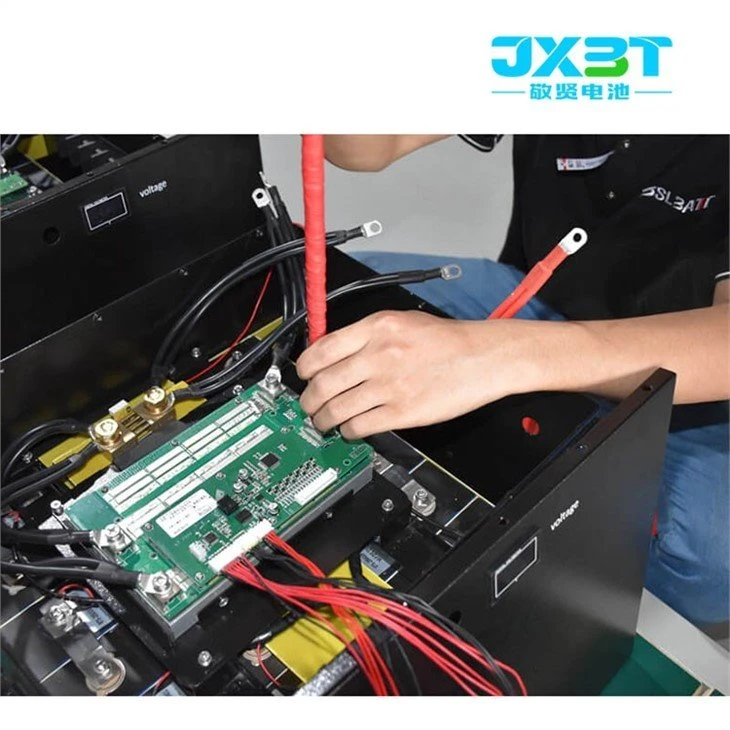
- Battery Management System (BMS): Most lithium - ion forklift batteries come with a BMS. The BMS monitors each cell's voltage, temperature, and state of charge. It automatically balances the cells during charging and discharging. For example, if one cell is getting too full, the BMS will divert some of the charge to other cells.
- Proper Charging Practices: Use a charger that's specifically designed for lithium - ion batteries. These chargers work in tandem with the BMS to ensure proper charging and cell balancing. Avoid over - charging or under - charging the battery, as this can disrupt the cell balance.
Tips to Keep Your Forklift Battery Cells Balanced
Proper Charging
- Follow the Recommended Charging Schedule: Don't just charge the battery whenever you feel like it. Follow the manufacturer's recommended charging schedule. For example, some lead - acid batteries need to be fully charged after each use, while others can tolerate partial charges.
- Use the Right Charger: Make sure you're using a charger that's compatible with your forklift battery. Using the wrong charger can lead to uneven charging and cell imbalance.
Monitoring and Maintenance
- Regularly Check the Battery: Keep an eye on the battery's performance. If you notice any signs of imbalance, such as one cell getting hotter than the others or the battery losing power quickly, take action right away.
- Keep Records: Maintain a record of the battery's charging history, maintenance checks, and any issues you've encountered. This can help you spot trends and address problems before they get worse.
When to Seek Professional Help
Sometimes, despite your best efforts, you might still face issues with cell balancing. If you're not sure how to handle a particular problem, or if the battery is showing signs of serious damage, it's best to seek professional help. A professional can diagnose the problem accurately and provide the right solutions.
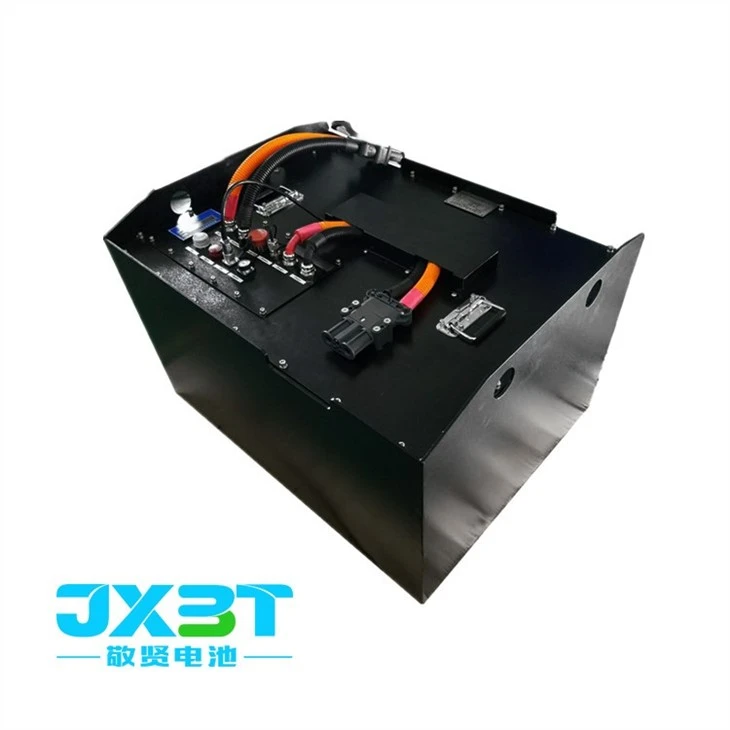
As a forklift battery supplier, we're here to support you. If you have any questions about cell balancing, or if you're interested in purchasing a new forklift battery, feel free to reach out. We can help you choose the right battery for your needs and provide you with all the information you need to keep it in top condition.
In conclusion, balancing the cells in a forklift battery is essential for its performance and longevity. By understanding the different types of batteries, using the right balancing methods, and following proper maintenance practices, you can ensure that your forklift battery serves you well for a long time. If you're considering upgrading or buying a new battery, check out our 24v Forklift Battery, 48v Forklift Battery, and Forklift Battery 36v options. Contact us to start a conversation about your forklift battery needs and let's work together to find the best solution for you.
References
- Battery University: A great resource for in - depth information about different types of batteries and their maintenance.
- Forklift manufacturers' manuals: These provide specific information about the batteries used in their forklifts.