
Hey guys! As an Ebike Battery supplier, I often get asked a bunch of questions about ebike batteries and chargers. One of the most common queries I've come across is: "Can I use a charger with a lower current for my Ebike battery?" Today, I'm gonna break this down for you in a way that's easy to understand.
First off, let's talk a bit about how an ebike battery and its charger work together. An ebike battery is like the heart of your electric bike. It stores the energy that powers your ride, whether you're cruising through the city streets or tackling hilly terrains. The charger, on the other hand, is what replenishes that energy. It takes the electricity from your wall socket and converts it into a form that the battery can absorb.
Now, the current of a charger is a crucial factor. Current, measured in amperes (A), determines how quickly the charger can transfer energy to the battery. A charger with a higher current can charge the battery faster, while one with a lower current will charge it more slowly.

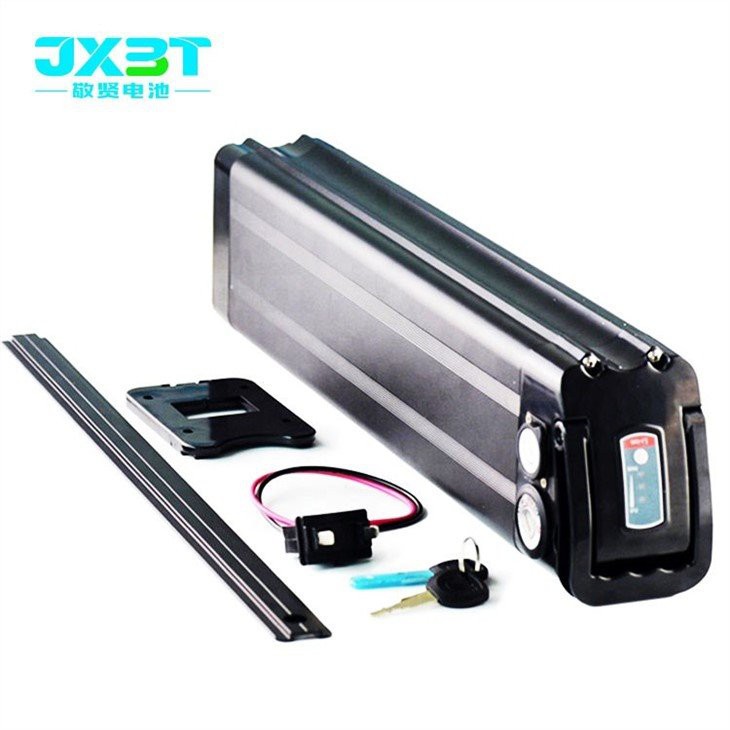
So, can you use a charger with a lower current for your ebike battery? The short answer is yes, you can. But there are a few things you need to keep in mind.
Advantages of Using a Lower - Current Charger
One of the main benefits is safety. When you use a charger with a lower current, it generates less heat during the charging process. Heat is the enemy of lithium - ion batteries, which are commonly used in Ebike Battery 24v and Lithium Battery for Ebike. Excessive heat can cause the battery to degrade faster, reducing its overall lifespan. So, a lower - current charger can help extend the life of your battery.
Another advantage is that it's a more gentle charging method. It gives the battery more time to absorb the energy evenly, which can lead to a more stable charge. This can be especially beneficial if you have an older battery that might be more sensitive to rapid charging.
Disadvantages of Using a Lower - Current Charger
The most obvious drawback is the charging time. A charger with a lower current will take significantly longer to charge your battery. For example, if your Ebike 48v Battery usually takes 3 hours to charge with a standard charger, using a charger with a much lower current could take 6 hours or even more. This can be a real pain if you're in a hurry and need to get back on the road quickly.
Also, if you're constantly using a charger with a very low current, it might not be able to meet the battery's charging requirements properly. Over time, this could lead to an incomplete charge, which can affect the battery's performance and capacity.
Compatibility Considerations
Before you decide to use a charger with a lower current, you need to make sure it's compatible with your battery. The voltage of the charger must match the voltage of the battery. For example, if you have a 48V ebike battery, you need a 48V charger. Using a charger with the wrong voltage can damage the battery or even pose a safety risk.
The charger should also have the right charging profile for your battery type. Different types of batteries, such as lithium - ion, lead - acid, etc., require different charging profiles to ensure optimal charging and safety.
What Should You Do?
If you have some extra time and want to take good care of your battery, using a charger with a lower current can be a good option. It's a good idea for overnight charging, as you don't have to worry about the long charging time.
However, if you're always on the go and need your battery to charge quickly, it's best to use a charger with the recommended current for your battery. You can always keep a lower - current charger as a backup for times when you have more patience.
In conclusion, using a charger with a lower current for your ebike battery is a viable option, but it has its pros and cons. You need to weigh these factors based on your lifestyle and how you use your ebike.
As an Ebike Battery supplier, I understand that choosing the right battery and charger can be confusing. That's why we're here to help. Whether you're looking for a new battery or need advice on charging, we've got you covered. If you're interested in purchasing high - quality ebike batteries, feel free to reach out to us for a procurement discussion. We'll work with you to find the best solutions for your needs.
References
- Battery University: A great resource for in - depth information about battery technology and charging.
- Ebike industry reports and studies on battery performance and charging methods.