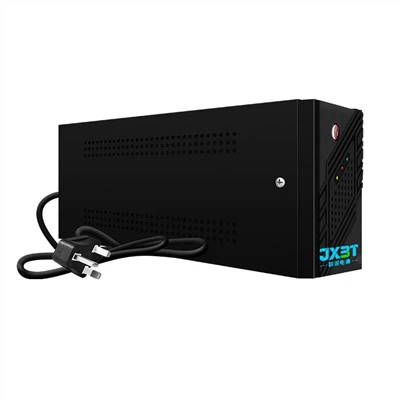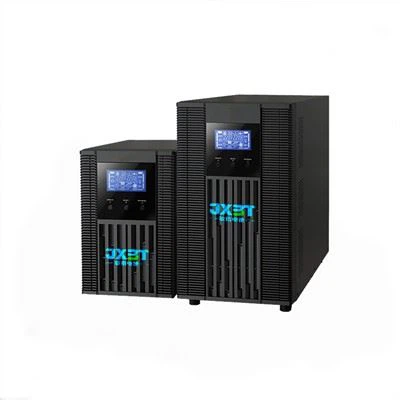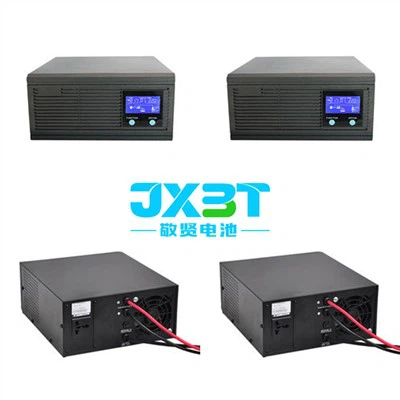

As a backup UPS supplier, I've been getting a lot of questions lately about the difference between a backup UPS and an inverter. There seems to be a fair amount of confusion out there, so I thought I'd write this blog post to clear things up. Let's dive right in and explore how these two power devices stack up against each other.
What Are They?
Let's start by defining what each of these things is. A backup UPS, or Uninterruptible Power Supply, is a device that provides emergency power to a load when the input power source, typically the mains, fails. It's like having a little power safeguard for your important electronics. It kicks in almost instantly, so there's no interruption in power supply. This is super important for devices like computers or servers where even a brief power outage could cause data loss or system malfunctions.
On the other hand, an inverter is a device that converts direct current (DC) power into alternating current (AC) power. In essence, it takes power stored in batteries and turns it into a form that can be used by most household appliances. Inverters are commonly used in off - grid solar power systems or in vehicles to power electronic devices.
Functionality Differences
One of the biggest differences between a backup UPS and an inverter is the response time when the power fails. A backup UPS provides nearly instantaneous power when the main power goes out. The transition is so quick that in many cases, you won't even notice a blip on your electronic device. This makes it ideal for protecting sensitive equipment. For example, if you're in the middle of an important document on your computer and the power suddenly fails, a backup UPS will keep your computer running until you can safely save your work and shut it down. You can check out our Power For Computer options to ensure your computer's safety.
Inverters, however, don't offer that same rapid response. There is usually a short delay between the power outage and when the inverter starts supplying power. This delay might be acceptable for some devices like a refrigerator or a lighting system, but it's a no - go for more sensitive electronics that can't tolerate even a momentary power loss.
Another key difference is in their operation mode. Backup UPS systems are designed to constantly monitor the incoming power supply. They're always in a standby mode, ready to take over at a moment's notice. When the power is stable, the UPS charges its internal battery and also provides clean, regulated power to the connected devices.
Inverters usually operate in a system where the power source is mainly from the battery. They're often used in setups where the primary power comes from renewable sources like solar panels. The inverter converts the DC power from the solar panels or batteries into AC power for use in the home or other applications. If you're looking for a more portable option, our Rechargeable Portable Power Supply can be a great choice.
Capacity and Usage Scenarios
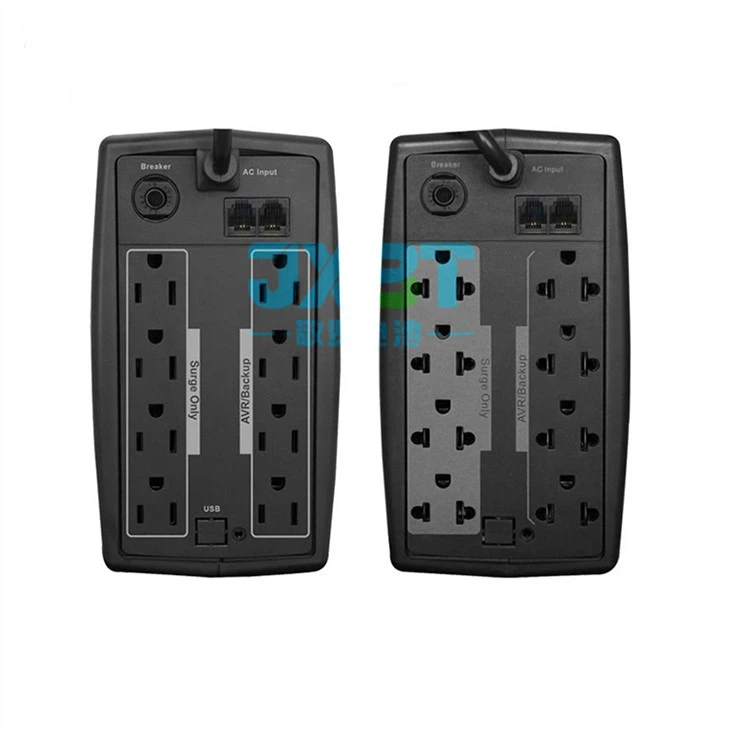
Backup UPS systems come in a variety of capacities, usually measured in volt - amperes (VA) or watts. Smaller UPS units, like the 600va Ups Power Supply For Home, are great for protecting a single computer, a router, and maybe a few other small devices. They can provide power for a short period, typically anywhere from a few minutes to half an hour, depending on the load.
Larger UPS systems are used in data centers, hospitals, and other critical facilities. These can handle a much higher load and can keep the power running for hours, allowing for a more orderly shutdown of systems or a seamless transition to a backup power generator.
Inverters also come in different capacities, but they're often sized based on the power requirements of an entire home or a large off - grid system. They can handle high - power appliances like air conditioners, washing machines, and electric heaters. Inverters are commonly used in remote areas where there is no access to the main power grid, or in homes that rely on solar power as their primary energy source.
Battery and Charging
Both backup UPS and inverters rely on batteries to store power. However, the type of batteries and the charging mechanisms can be different. Backup UPS systems usually use sealed lead - acid (SLA) batteries or lithium - ion batteries. SLA batteries are more traditional and are known for their reliability and relatively low cost. Lithium - ion batteries, on the other hand, are lighter, have a longer lifespan, and can charge faster.
The charging system in a backup UPS is designed to keep the battery charged and ready at all times. It monitors the battery's state of charge and adjusts the charging current accordingly. This ensures that the battery is always in a good condition and can provide power when needed.
Inverters can use a variety of battery types, depending on the application. In solar power systems, deep - cycle batteries are commonly used. These batteries are designed to be discharged and recharged multiple times. The charging of inverter batteries is often done through a charge controller, which regulates the power coming from the solar panels or other charging sources to prevent overcharging.
Cost Considerations
When it comes to cost, backup UPS systems can be more expensive upfront, especially for high - capacity units. However, they offer a high level of protection and reliability, which can save you a lot of money in the long run by preventing data loss and equipment damage. The cost of a backup UPS also depends on the brand, capacity, and features.
Inverters are generally more cost - effective, especially for larger - scale applications. Since they're often used in off - grid or renewable energy systems, the overall cost of the system, including the inverter, batteries, and solar panels, can be offset by the long - term savings in energy costs.

Which One Should You Choose?
So, how do you decide whether a backup UPS or an inverter is right for you? Well, it all boils down to your specific needs. If you're looking to protect sensitive electronic devices like computers, servers, or medical equipment from power outages, a backup UPS is the way to go. It provides that instant power protection that these devices need.
If you're living off - grid or want to use renewable energy sources like solar power, an inverter is essential. It allows you to use the power stored in batteries to run your household appliances.
As a backup UPS supplier, I'm here to help you make the right choice for your power needs. Whether you're a small business owner looking to protect your computer systems or a homeowner wanting to ensure a reliable power supply during outages, we've got the products and expertise to assist you.
If you're interested in learning more about our backup UPS products or have any questions about the difference between a backup UPS and an inverter, don't hesitate to reach out. We're always ready to have a chat and discuss how we can meet your power protection requirements. Let's start a conversation about your power needs and find the perfect backup solution for you.
References
- "Power Electronics: Converters, Applications, and Design" by Ned Mohan, Tore M. Undeland, and William P. Robbins.
- "UPS Systems Handbook" by John W. Eaton.